








What's Happening?
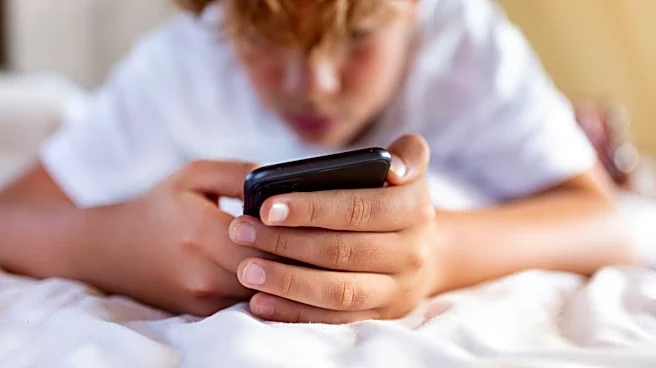
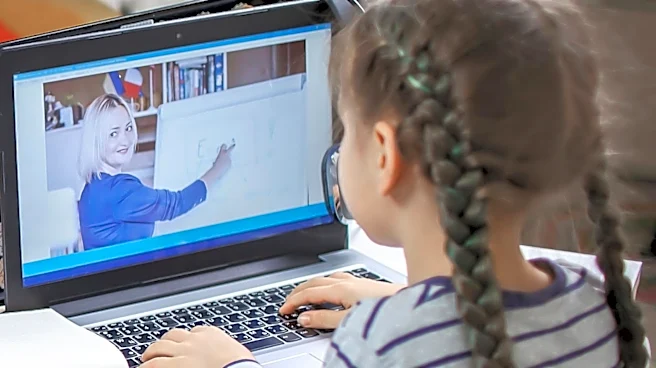
Baltimore City Public Schools are implementing new policies to limit screen time for young students, particularly in grades K-2, in response to concerns about the negative effects of excessive technology use. The district, which serves a majority-minority
and economically disadvantaged student population, plans to end 1-to-1 device access and enforce daily time limits on device use. This decision is based on research indicating that excessive screen time can hinder academic, social-emotional, and behavioral development, with low-income and minority children being most at risk. The district aims to provide a balanced, hands-on learning experience while acknowledging the challenges families face in managing screen time at home.
Why It's Important?
The initiative by Baltimore City Public Schools highlights the growing concern over technology's impact on early childhood development. By addressing tech equity, the district seeks to mitigate the adverse effects of screen time on young learners, particularly those from disadvantaged backgrounds. This move reflects a broader trend in education to balance technology use with traditional learning methods, ensuring that all students have equitable access to quality education. The policy could serve as a model for other districts facing similar challenges, emphasizing the importance of thoughtful technology integration in early education.
Beyond the Headlines
The decision to limit screen time in Baltimore City schools also raises questions about the role of technology in education and its long-term implications. As schools navigate the post-pandemic landscape, finding the right balance between digital and hands-on learning experiences will be crucial. This approach may influence future educational policies and practices, encouraging a more holistic view of student development that considers both technological and non-technological learning environments.