






What's Happening?
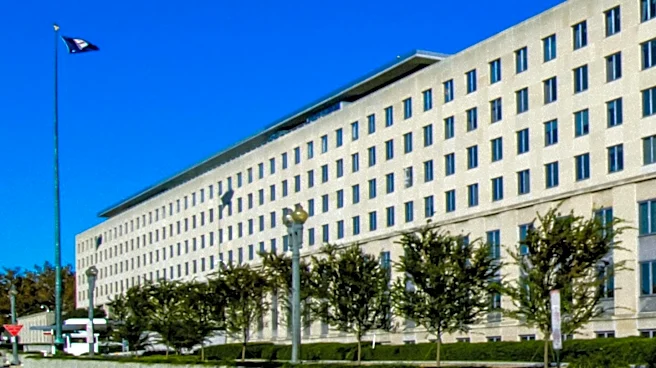
During the 26th International AIDS Conference in Rio de Janeiro, a U.S. State Department official presented a map of Africa with mislabelled countries, sparking criticism and highlighting broader issues of understanding and engagement with the continent.
The conference also revealed a significant decline in U.S. funding for global HIV response, with a 25% reduction in 2025 compared to the previous year. This decrease in funding has led to disruptions in the President's Emergency Plan for AIDS Relief (PEPFAR), affecting treatment and services for vulnerable populations, particularly in Africa.
Why It's Important?
The funding cuts pose a serious threat to the progress made in combating HIV/AIDS globally. PEPFAR has been instrumental in saving millions of lives, and reduced support could lead to increased HIV infections and deaths. The mislabelled map incident underscores the need for greater cultural sensitivity and understanding in international relations, particularly in addressing global health challenges. Sustained funding and collaboration are crucial to maintaining momentum in the fight against HIV/AIDS and ensuring equitable access to treatment and prevention services.
What's Next?
Advocates and policymakers are likely to push for the restoration of funding and a renewed commitment to global health initiatives. The U.S. government may face pressure to address the missteps and reaffirm its role as a leader in the global HIV response. International partnerships and donor contributions will be critical in filling funding gaps and supporting affected communities. The conference outcomes may also prompt discussions on improving cultural competence and engagement in international health efforts.