







What's Happening?
The European Union is intensifying its crisis response exercises, focusing on the bloc's mutual assistance obligations under Article 42.7 of its treaties. This move comes amid growing concerns about the U.S. commitment to NATO and European security under President
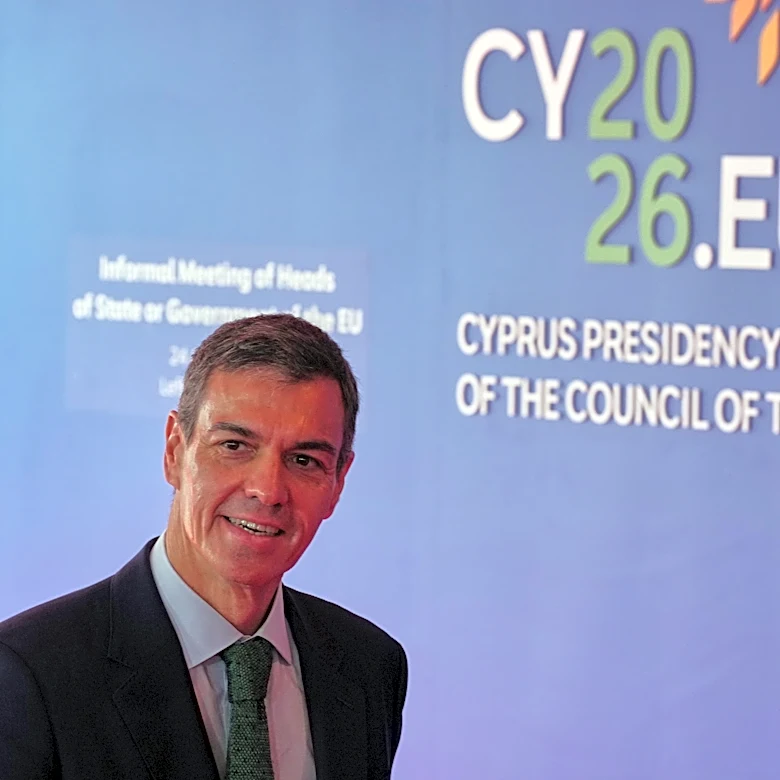
Trump. At a summit in Cyprus, EU leaders are working on an operational plan to utilize the EU's military, security, and trade assets effectively in times of crisis. The exercises, which involve political decision-making rather than military deployment, aim to test the EU's collective response capabilities. The EU's Article 42.7, similar to NATO's Article 5, has been invoked only once, following the 2015 Paris terror attacks.
Why It's Important?
The EU's increased focus on crisis preparedness reflects a shift in European security dynamics, driven by uncertainties about U.S. support. This development could lead to a more autonomous European defense strategy, potentially reducing reliance on NATO. The exercises highlight the EU's diverse tools, including sanctions and trade policies, which could be leveraged in crises. The situation underscores the need for Europe to strengthen its defense capabilities and foster greater unity among member states in the face of external threats.
What's Next?
As the EU continues its crisis response exercises, it may explore further integration of its defense and security policies. The outcome of these exercises could influence future EU defense strategies and its relationship with NATO. Additionally, the EU may seek to enhance its diplomatic efforts to address security challenges, particularly in light of ongoing conflicts in the Middle East and Ukraine. The evolving security landscape may also prompt discussions on the EU's role in global security and its partnerships with other international organizations.