




What's Happening?
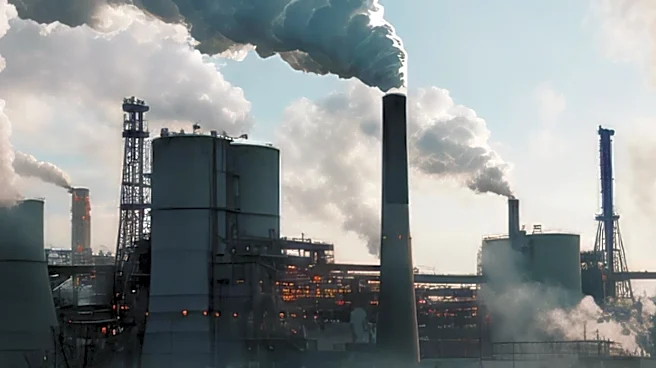
The fossil fuel industry is projected to receive an estimated $190 billion in tax breaks and subsidies over the next decade, according to a new report released by Senator Sheldon Whitehouse and Senate Democratic leader Chuck Schumer. This comes after
the industry reportedly responded to President Trump's pre-election call for significant campaign donations. The report highlights a fundraiser in April 2024 where President Trump allegedly requested $1 billion in contributions from industry executives in exchange for tax breaks and deregulation. The senators claim that 'Big oil delivered in the hundreds of millions,' and the Trump administration 'delivered right back' with benefits worth hundreds of billions of dollars. The investigation was reportedly complicated by the Trump administration's 'near-total refusal to cooperate with legitimate congressional oversight.' The $190 billion estimate includes existing tax breaks and subsidies, along with new benefits from the 'One Big Beautiful Bill Act.'
Why It's Important?
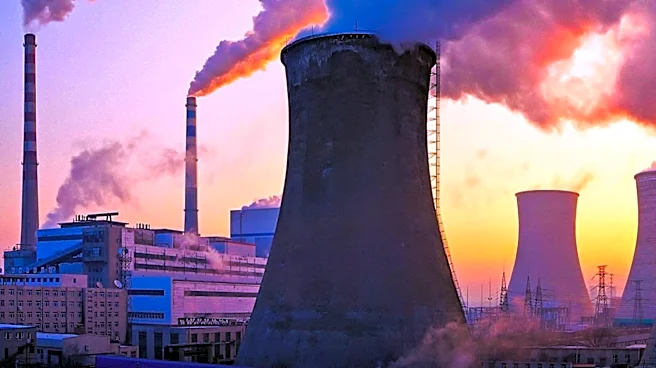
This development is significant due to its potential impact on American taxpayers, public health, and the nation's energy landscape. The report suggests that the financial benefits to the fossil fuel industry will lead to higher energy bills and increased costs associated with climate change and pollution for American families. The senators also point to the appointment of 26 senior officials with backgrounds in fossil fuel or polluting industries across various government agencies, including the Environmental Protection Agency. Furthermore, the report alleges that the Trump administration implemented policies designed to curb competition from clean energy, increase gas and coal consumption, and could force Americans to spend at least $580 billion in added fuel costs over the next three decades. The report also highlights a weakening of environmental enforcement, with a significant reduction in civil environmental enforcement cases compared to previous administrations.
What's Next?
The report's findings are likely to fuel ongoing debate regarding the influence of the fossil fuel industry on U.S. policy and the future of energy regulation. While the Trump administration has defended its 'energy dominance' agenda as beneficial for industry, workers, and consumers, critics argue that these policies prioritize corporate profits over public health and environmental protection. The report suggests that the sharpest increases in energy costs could disproportionately affect Republican-led states lacking state-level policies supporting renewable energy. Environmental advocacy groups have strongly criticized the Trump administration's actions, with some calling for polluters to be held accountable. The White House has dismissed the report as a 'useless partisan report,' stating that the administration is focused on passing permitting reform to improve energy infrastructure and lower costs.
Beyond the Headlines
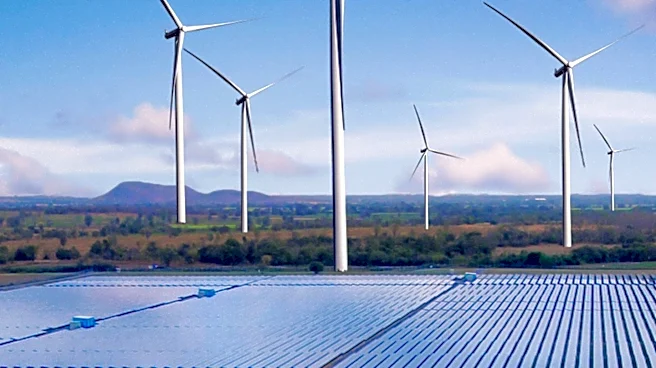
Beyond the immediate financial implications, this situation raises deeper questions about the ethical dimensions of political campaign financing and its potential impact on public policy. The report suggests a direct correlation between campaign contributions and policy outcomes, leading to concerns about regulatory capture and the prioritization of special interests over broader societal well-being. The alleged weakening of environmental regulations and the reported increase in pollution-related health costs highlight the long-term societal burden that could result from such policies. The report also touches upon the broader shift in the energy sector, with the Trump administration reportedly paying companies to cancel wind projects, indicating a deliberate effort to impede the growth of renewable energy in favor of fossil fuels. This could have lasting consequences for the U.S.'s ability to transition to a cleaner energy economy and address climate change.