








What's Happening?
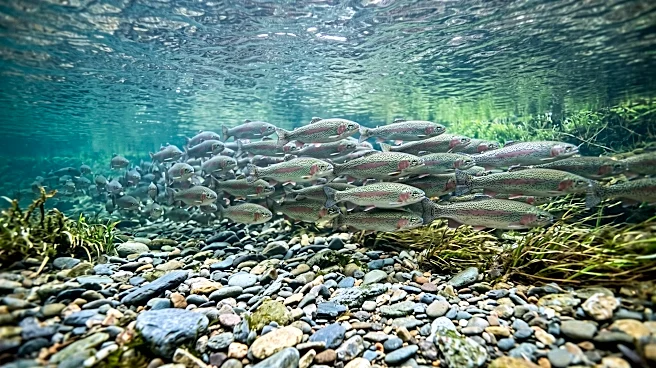
The North Carolina Wildlife Resources Commission (NCWRC) plays a crucial role in freshwater fisheries management by annually stocking approximately 6 million fish in public lakes, ponds, streams, and rivers across the state. This extensive stocking program
is supported by the agency's six fish hatcheries. The purpose of these efforts is multifaceted, including enhancing existing fisheries, establishing new fish populations, and supporting recreational fishing opportunities. The NCWRC manages both coldwater and warmwater stocking programs, with detailed schedules and summaries available for public access. These programs are essential for maintaining healthy and diverse fish populations in North Carolina's public waters.
Why It's Important?
The NCWRC's fish stocking program is vital for the ecological health and recreational value of North Carolina's freshwater systems. By introducing millions of fish annually, the Commission ensures robust fish populations, which in turn supports a thriving recreational fishing industry. This benefits local economies through tourism, tackle sales, and related services. The program also contributes to biodiversity by establishing and enhancing various fish species, which can help maintain ecological balance in aquatic environments. For anglers, consistent stocking means more opportunities for successful fishing, fostering engagement in outdoor activities and promoting conservation awareness. Without such programs, many public waters might experience depleted fish stocks, negatively impacting both the environment and human recreational pursuits.
What's Next?
The NCWRC will continue its annual stocking operations, guided by ongoing assessments of fish populations and habitat conditions. Anglers and the public can access updated coldwater daily stocking updates and warmwater stocking schedules to plan their fishing activities. The Commission will likely continue to refine its stocking strategies based on scientific research, environmental changes, and feedback from the angling community. Future efforts may focus on adapting to climate change impacts on aquatic ecosystems and optimizing stocking methods for maximum ecological and recreational benefit. Public engagement and adherence to fishing regulations will remain critical for the success and sustainability of these programs.
Beyond the Headlines
The fish stocking program highlights the intricate balance between human intervention and natural ecological processes. While stocking provides immediate benefits for recreational fishing and population enhancement, it also raises broader questions about genetic diversity, the potential impact on native species, and the long-term sustainability of relying on hatchery-reared fish. The NCWRC's efforts reflect a proactive approach to managing natural resources in a state with significant recreational demand. This ongoing management also underscores the importance of public funding and support for conservation agencies, as their work directly impacts the quality of outdoor recreation and the health of aquatic ecosystems. The success of these programs is a testament to continuous scientific research and adaptive management strategies in the face of evolving environmental challenges.