






What's Happening?
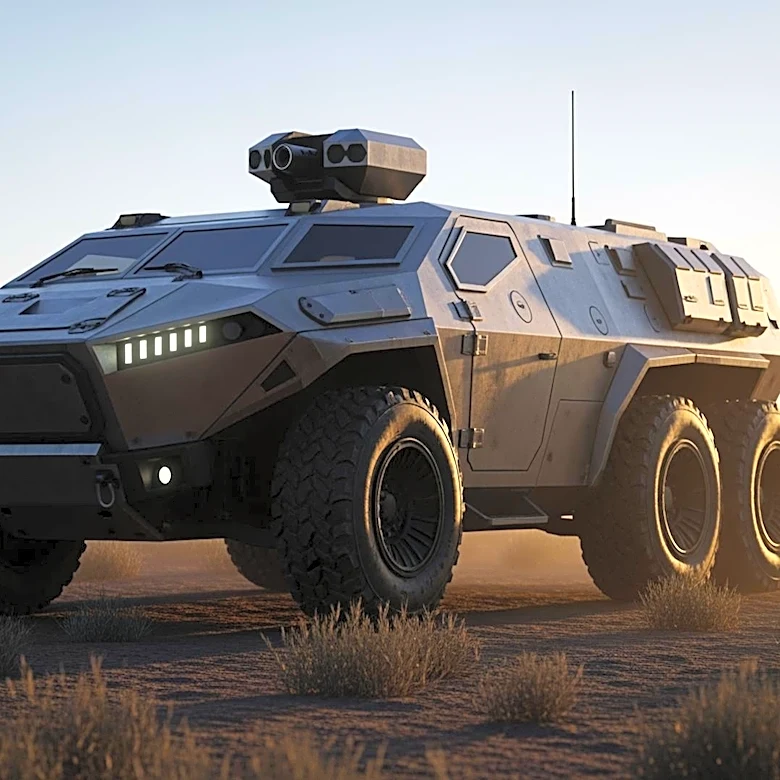
India's Defence Research and Development Organisation (DRDO) has introduced two new types of armoured fighting vehicles, known as Advanced Armoured Platforms (AAPs), at a ceremony in Ahilyanagar, Maharashtra. These platforms, designated as Vikram VT-21,
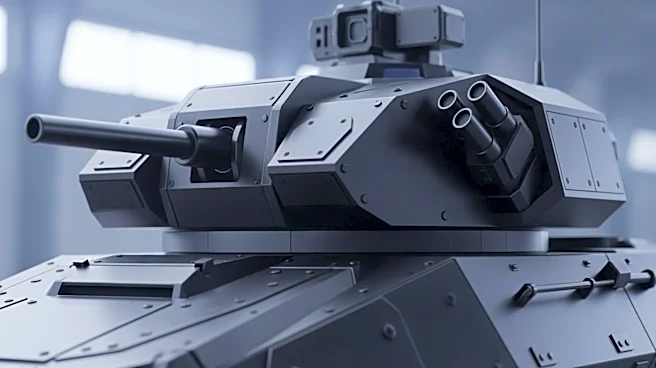
include both wheeled and tracked designs and are intended for use as infantry fighting vehicles and armoured personnel carriers. The AAPs were developed by DRDO's Vehicles Research and Development Establishment and manufactured by Indian companies Tata Advanced Systems Limited and Bharat Forge Limited, with significant contributions from micro, small, and medium enterprises. The vehicles boast a 30 mm unmanned turret, a 7.62 mm PKT machine gun, and an anti-tank missile launcher, along with STANAG Level 4 and 5 ballistic and mine protection. They are also amphibious, featuring hydrojets for improved water-crossing capabilities. DRDO Chairman Samir V Kamat stated that the platforms were developed over three years and are expected to undergo further development and user trials before potential induction into the Indian Army within the next three years.
Why It's Important?
The unveiling of the Advanced Armoured Platforms marks a significant step in India's defense capabilities, showcasing the country's growing self-reliance in military technology. With 65% indigenous content, the AAPs reflect India's push towards reducing dependency on foreign defense imports and enhancing domestic production capabilities. This development is crucial for India's strategic defense posture, particularly in the context of regional security dynamics. The introduction of these advanced vehicles could bolster India's military readiness and operational flexibility, providing a technological edge in potential conflict scenarios. Additionally, the involvement of local enterprises in the production process highlights the government's commitment to supporting domestic industries and fostering innovation within the defense sector.
What's Next?
The DRDO plans to conduct further development and user trials for the Vikram VT-21 platforms, aiming for their induction into the Indian Army within the next three years. This timeline suggests a focus on rigorous testing and refinement to ensure the vehicles meet operational requirements. The increased indigenous content goal from 65% to 90% indicates ongoing efforts to enhance local manufacturing capabilities and reduce reliance on imported components. As these platforms progress through trials, their performance and adaptability in various operational environments will be closely monitored. The successful integration of these vehicles into the Indian military could set a precedent for future indigenous defense projects, potentially influencing procurement strategies and defense policies.