






What's Happening?
The Baltimore City Council is advocating for the Maryland Public Service Commission to deny BGE's proposed $156 million electric rate increase. This resolution, sponsored by Council President Zeke Cohen, highlights concerns that customers are already
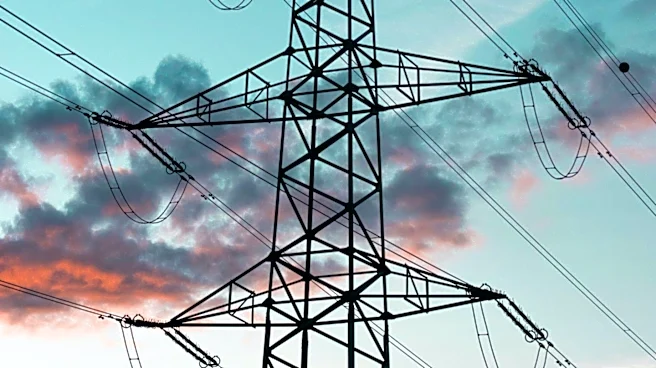
struggling with elevated utility costs. If approved in full, BGE estimates the average residential customer's monthly bill would rise by approximately $8, or 4.4%, totaling about $100 annually. BGE, which serves over 1.3 million electric customers and more than 700,000 natural gas customers in Central Maryland, argues that the proposed increase is necessary to fund essential work for maintaining the electric system. The company also states that rising electricity supply costs, which are beyond its control, have had a greater impact on customer bills than its distribution rates. BGE claims the portion of the increase related to its return on equity would amount to less than $1 per month for an average residential customer.
Why It's Important?
This dispute is significant for Maryland residents and businesses, particularly in Baltimore, as it directly impacts their financial burdens. The City Council's opposition underscores a broader concern about affordability and the economic strain on families and small businesses. If the rate increase is approved, it could exacerbate financial difficulties for those already struggling with higher living costs. Conversely, BGE argues that delaying necessary infrastructure investments could lead to more frequent outages and higher costs in the long run, potentially compromising the reliability of the electric system. The outcome will set a precedent for how utility costs are managed and regulated in Maryland, influencing the balance between consumer protection and utility companies' operational needs and investor returns. The Maryland Office of People's Counsel, representing consumer interests, has also challenged BGE's parent company, Exelon, over alleged over-collection of tens of millions of dollars from customers, further highlighting the contentious nature of utility billing practices.
What's Next?
The Maryland Public Service Commission holds the authority over utility rates and is expected to make a decision on BGE's proposed rate increase in January 2027. While the Baltimore City Council's resolution expresses strong opposition, it does not legally block the proposed increase. The Public Service Commission will weigh arguments from BGE, the City Council, and potentially other consumer advocates. Customers should monitor regulatory decisions closely, as the outcome could determine whether they face higher bills or potentially receive credits or reduced future charges if over-collected funds are ordered to be returned. The ongoing debate between BGE and consumer advocates, including the Maryland Office of People's Counsel, regarding alleged over-collections, will also continue to unfold, with potential implications for refunds or adjustments to future billing.
Beyond the Headlines
This situation highlights the complex interplay between utility companies, regulatory bodies, and consumer advocacy groups in managing essential services. Beyond the immediate financial impact, the debate touches upon the ethical responsibilities of utility providers to balance profit motives with public service obligations. The argument that delaying infrastructure work could lead to future outages and higher costs raises questions about long-term investment strategies versus immediate consumer relief. Furthermore, the alleged over-collection by Exelon, BGE's parent company, points to broader issues of transparency and accountability in utility billing. The resolution of these disputes could influence public trust in utility companies and regulatory oversight, potentially leading to calls for more stringent regulations or greater consumer representation in future rate-setting processes. It also underscores the ongoing challenge for state and local governments to protect vulnerable populations from rising costs while ensuring the stability and modernization of critical infrastructure.