




What's Happening?
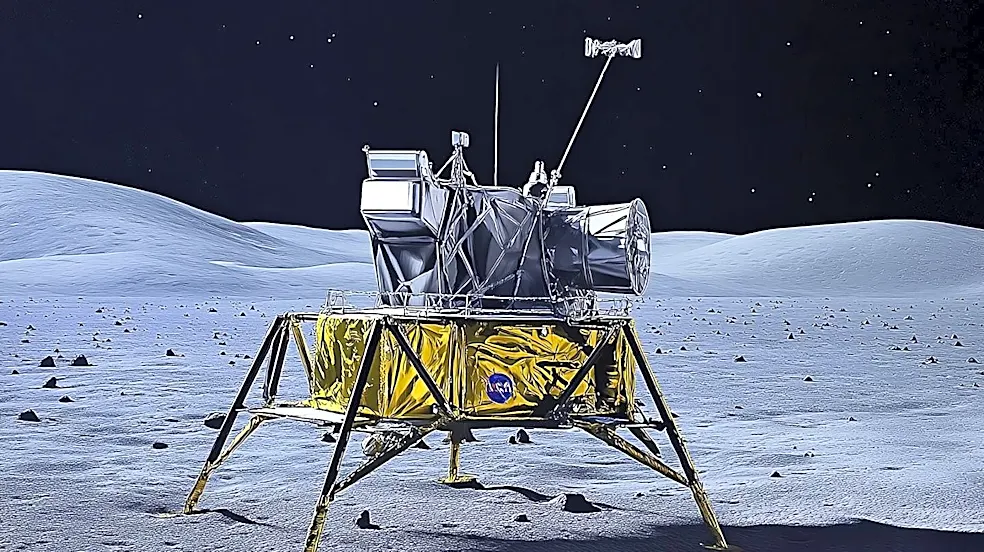
A new report from the National Academies has ranked the top four non-polar sites on the Moon for future crewed lunar missions, responding to a NASA request. The committee evaluated sites based on their alignment with decadal surveys and NASA's Moon to Mars
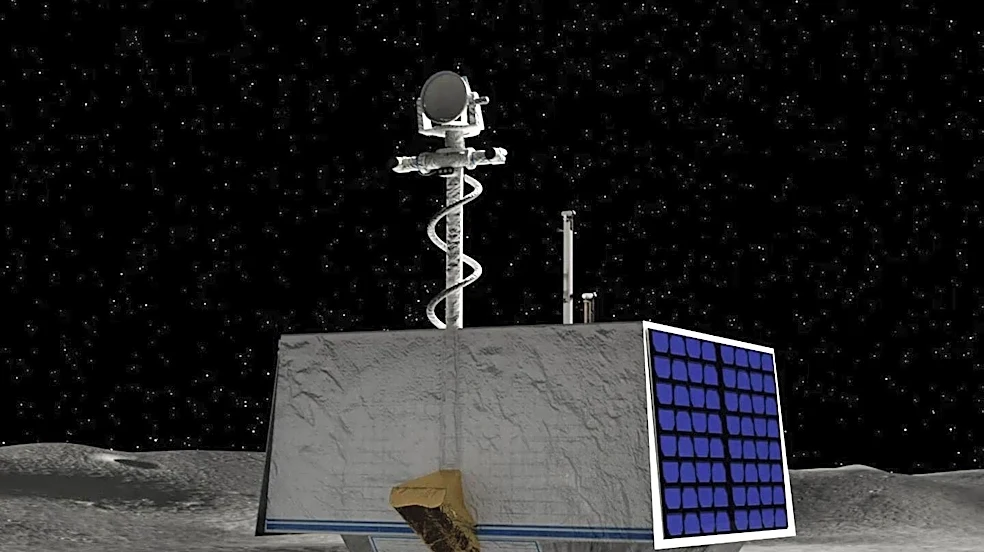
objectives, their potential to expand U.S. exploration capabilities, and their contribution to public inspiration. The recommended sites, in priority order, are Bhabha Crater, Mons Hadley, Orientale Basin, and Aristarchus Plateau. Bhabha Crater, on the far side, is noted for its location within the South Pole-Aitken Basin, potentially the solar system's oldest impact signature, and its suitability for low-frequency astronomy. Mons Hadley, near the Apollo 15 site, offers an opportunity to study the long-term effects on hardware and waste. Orientale Basin, the Moon's youngest large impact basin, could provide insights into the deep lunar crust. Aristarchus Plateau is a volcanic region potentially holding water-bearing deposits and rare Earth elements, also suitable for a space-weather observatory.
Why It's Important?
This report provides critical scientific guidance for NASA's future lunar exploration efforts, particularly as the agency refocused its lunar program on a Moon Base at the lunar South Pole. While NASA has not yet confirmed if it will act on these recommendations, these non-polar sites offer diverse scientific opportunities that complement the polar missions. Exploring these locations could yield unprecedented data on the Moon's geological history, composition, and potential resources, advancing our understanding of the solar system. For the U.S. space program, these missions would demonstrate expanded capabilities in lunar exploration, including landing in more challenging or distant locations. The public inspiration factor is also significant, as new discoveries and exploration milestones can galvanize public support for space endeavors and encourage future generations to pursue STEM fields. Furthermore, these sites could serve as alternative landing options if constraints prevent missions from reaching the absolute South Pole.
What's Next?
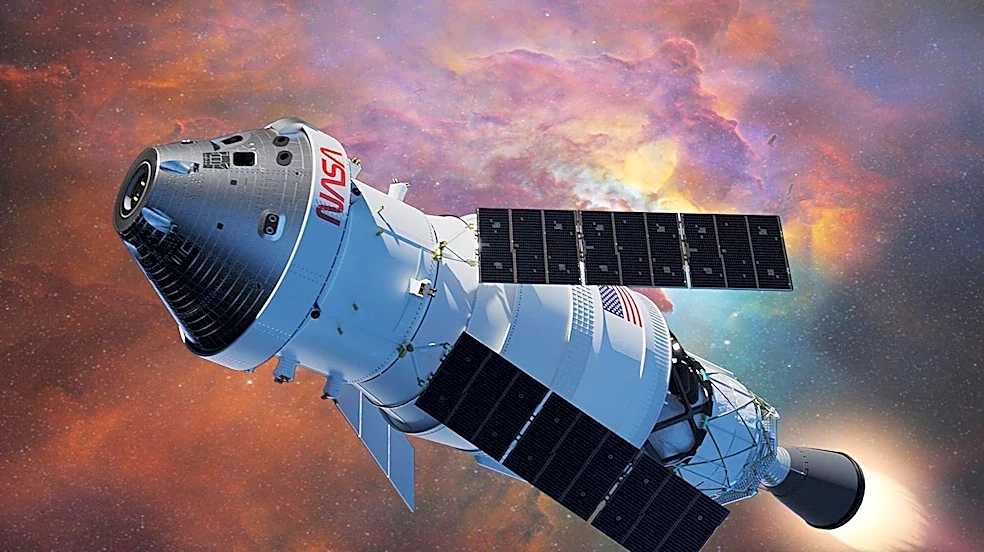
NASA will review the National Academies' recommendations and decide whether to incorporate these non-polar sites into its future crewed lunar mission plans. While the agency's current focus is on establishing a Moon Base at the lunar South Pole, these recommended sorties could be considered as add-ons or complementary missions. The committee also provided suggestions for mission parameters, including allowing astronauts to travel beyond the current 2-km limit from landers, developing instruments that can survive lunar nights, maintaining continuous communications, and conducting baseline experiments at every location. The report's findings may also influence commercial lunar exploration companies, as new data points on potential landing sites are valuable for mission planning and resource utilization. Future discussions will likely involve integrating these scientific priorities with logistical and technological capabilities for upcoming Artemis missions.
Beyond the Headlines
The detailed ranking of lunar sites highlights the scientific community's strategic approach to space exploration, emphasizing specific geological features and scientific objectives. Beyond the immediate mission planning, this report underscores the long-term vision for lunar science, including the potential for establishing observatories on the far side of the Moon, shielded from Earth's radio noise. The consideration of studying Apollo-era hardware and waste also touches upon the concept of lunar heritage and the long-term impact of human presence on celestial bodies. This scientific rigor ensures that future missions are not just about 'getting there' but about maximizing scientific return and expanding humanity's knowledge base. The report also implicitly encourages technological advancements, such as more robust instruments and extended rover capabilities, to enable more ambitious lunar surface operations.