








What's Happening?
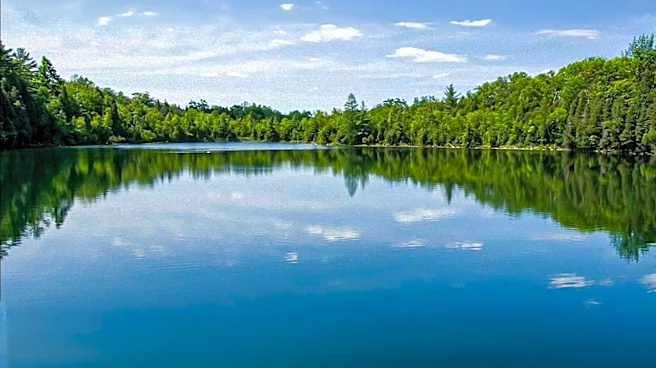
The Iowa Department of Natural Resources (DNR) has successfully reopened Casey Lake in Northeast Iowa after a comprehensive restoration effort. This project is part of the DNR's Lake Restoration Program, which is celebrating its 20th anniversary. Casey Lake,
a 38-acre reservoir, was closed for two years to address significant water quality issues, including algae growth and sediment build-up. The restoration involved draining and re-excavating the lake, clearing brush, and implementing measures to reduce phosphorus levels. The DNR also stocked the lake with 13,000 bluegills and 3,500 bass to rejuvenate its fish population. The program, supported by over $170 million in state funding, has restored 72 lakes across 55 counties in Iowa, enhancing recreational opportunities and addressing environmental concerns.
Why It's Important?
The restoration of Casey Lake underscores the importance of environmental conservation and sustainable practices in maintaining natural resources. The DNR's efforts not only improve water quality but also enhance recreational opportunities, which are vital for local communities and economies. By addressing nutrient pollution and sedimentation, the program helps preserve Iowa's lakes for future generations. The initiative also highlights the role of government funding and community partnerships in achieving environmental goals. As public awareness of water quality issues grows, such programs are crucial in fostering sustainable land use practices and protecting natural habitats.
What's Next?
Following the successful reopening of Casey Lake, the DNR plans to continue its restoration efforts across Iowa. The program will focus on maintaining and improving water quality in other lakes, with ongoing projects supported by state funding. Community engagement and collaboration with local farmers will remain key components in reducing agricultural runoff and promoting sustainable practices. The DNR aims to expand its reach and impact, ensuring that more lakes are restored and preserved for recreational use and ecological health.