





What's Happening?
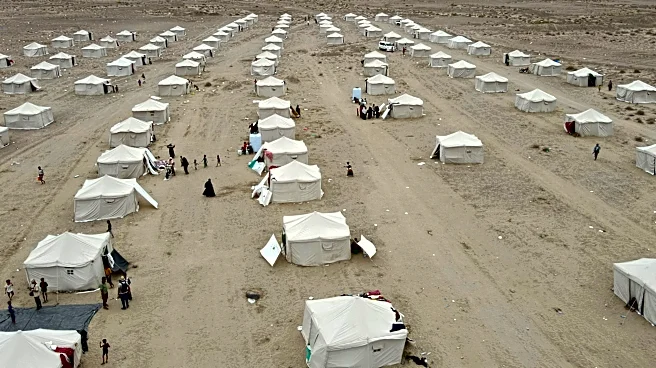
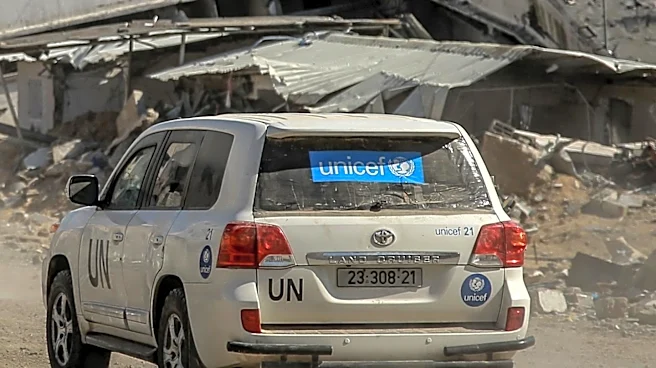
The UN Children’s Fund (UNICEF) is urgently seeking $97.5 million to provide critical winter assistance to 540,000 children and their families in Gaza and the West Bank. This comes as nearly 84% of Gaza’s population, over 1.76 million people, are living
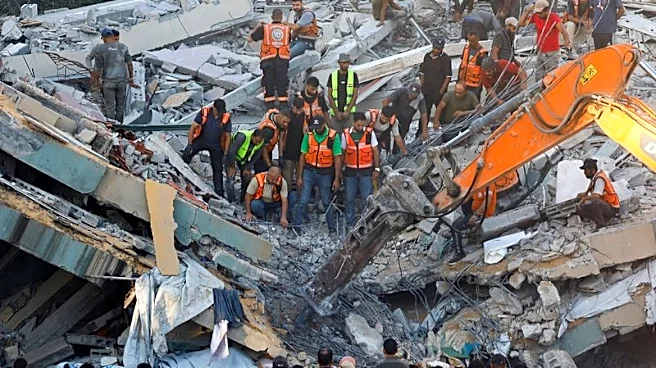
in overcrowded displacement sites or damaged shelters, making them highly vulnerable to freezing temperatures, heavy rain, and flooding. Last winter, at least 11 children, including infants, reportedly died from hypothermia in the Gaza Strip. In the West Bank, ongoing violence, displacement, movement restrictions, and a deepening financial crisis are further exacerbating families' inability to cope with winter conditions. The requested funding will enable UNICEF to distribute warm clothing, thermal blankets, provide digital cash assistance, reinforce emergency shelters, and supply tents. Additionally, the agency plans to collaborate with partners to mitigate flood and disease risks. Separately, Ramiz Alakbarov, the UN Humanitarian Coordinator for the Occupied Palestinian Territory, announced that the UN’s aid agency (OCHA) will allocate $2 million to power health facilities in Gaza for four months.
Why It's Important?
The humanitarian crisis in Gaza and the West Bank is reaching critical levels, with the onset of winter posing severe threats to the lives of hundreds of thousands of vulnerable individuals, particularly children. The high percentage of displaced persons living in inadequate shelters highlights the urgent need for immediate intervention to prevent further loss of life from exposure and related health complications. The funding sought by UNICEF is crucial for providing basic necessities that can protect families from the harsh winter elements and prevent a repeat of last year's tragic deaths due to hypothermia. The broader implications include the potential for increased public health crises due to overcrowding and poor sanitation in displacement sites, which can be exacerbated by winter conditions. The allocation of funds to power health facilities is also vital, as a collapse in healthcare services would further devastate a population already struggling with limited access to medical care and essential resources. The situation underscores the ongoing challenges in delivering humanitarian aid effectively in the region.
What's Next?
UNICEF is urging donors to provide flexible and timely funding to allow for the pre-positioning of supplies before winter fully arrives, indicating a critical window for action. The success of this fundraising appeal will directly determine the scale and effectiveness of the winter aid response. If sufficient funds are secured, UNICEF will proceed with the distribution of essential items like warm clothing, blankets, and shelter reinforcements, alongside cash assistance. The UN and its partners will also continue efforts to reduce health risks associated with winter conditions, such as flooding and disease outbreaks. However, if funding falls short, the humanitarian situation is likely to worsen significantly, leading to increased suffering and potential fatalities among the most vulnerable populations. The ongoing political and security dynamics in the region will also continue to influence the accessibility and delivery of aid, requiring sustained advocacy for humanitarian access and protection of civilians.
Beyond the Headlines
The dire situation in Gaza and the West Bank extends beyond immediate humanitarian needs, touching upon deeper issues of long-term displacement, infrastructure destruction, and the erosion of basic human dignity. The repeated calls for aid highlight the systemic challenges in providing sustainable solutions for populations caught in protracted crises. The vulnerability of children to environmental factors like winter conditions underscores the profound impact of conflict and displacement on the youngest and most defenseless members of society. Furthermore, the reliance on international aid for basic services like powering health facilities points to a broader breakdown of essential infrastructure and governance. This ongoing dependency on external assistance raises questions about the long-term viability and self-sufficiency of these communities, and the ethical responsibilities of the international community to address not just immediate needs but also the root causes of such widespread vulnerability.