






What's Happening?
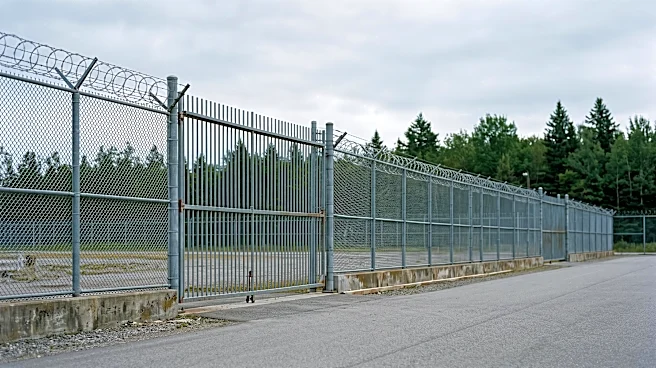
On November 12, 2026, an inmate at Warkworth Institution died while in custody. The Correctional Service Canada (CSC) reported the death, but the individual's name has been anonymized due to a court-ordered publication ban. The inmate was 48 years old
and had been serving a sentence of 19 years and 13 days since December 1, 2017. The next of kin have been informed of the death. As per standard procedure in all inmate deaths, the CSC will conduct a review of the circumstances surrounding the incident. Additionally, CSC policy mandates that both the police and the coroner be notified in such cases.
Why It's Important?
The death of an inmate in custody raises important questions regarding the safety and welfare of individuals within correctional facilities. While the specific details of this case are limited due to the publication ban, such incidents often prompt scrutiny of institutional protocols, healthcare provisions, and security measures. For the U.S. correctional system, which faces similar challenges, this event underscores the ongoing need for transparency and accountability in managing incarcerated populations. Reviews by correctional services, police, and coroners are crucial for identifying potential systemic issues and ensuring that appropriate standards of care and oversight are maintained to prevent future occurrences. The anonymization of the inmate's name, while legally mandated, also highlights the complex balance between public information and individual privacy in such sensitive situations.
What's Next?
The Correctional Service Canada will proceed with a review of the circumstances surrounding the inmate's death, as required by their policy. This review will likely involve an internal investigation into the events leading up to the death, including medical care, supervision, and any other relevant factors. Concurrently, the police and coroner will conduct their own independent investigations. The findings from these investigations will determine if any further actions are necessary, such as changes in policy, disciplinary measures, or criminal charges, depending on the cause and nature of the death. The outcome of these inquiries will be critical for ensuring accountability and potentially informing future practices within correctional institutions.
Beyond the Headlines
The death of an inmate, even with a court-ordered publication ban on their identity, brings to light broader societal discussions about the justice system and human rights within incarceration. Such events can fuel debates on the adequacy of mental health services, medical care, and overall living conditions in prisons. The anonymization, while protecting victims' identities, also limits public discourse on the individual circumstances, potentially obscuring patterns or systemic issues that might otherwise be identified. This incident, therefore, serves as a reminder of the constant tension between legal protections, institutional transparency, and the public's right to information regarding the treatment of those in state custody.