








What's Happening?
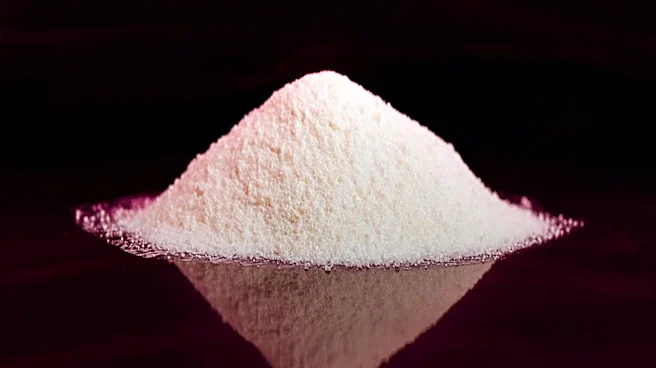
Creatine, a nitrogenous organic acid found naturally in the body, is being explored as a supplement for individuals with underactive thyroid (hypothyroidism). While creatine is commonly associated with bodybuilders and athletes, it is gaining attention
in thyroid health circles for its potential to manage fatigue and muscle aches associated with hypothyroidism. The supplement is generally considered safe for those with an underactive thyroid, but it should be used cautiously under the guidance of a general practitioner (GP). This caution is due to creatine's potential to raise creatinine levels, which can complicate the interpretation of kidney function tests. It is important for individuals to keep their levothyroxine timing separate from creatine supplements and to inform their doctor of its use.
Why It's Important?
The exploration of creatine as a supplement for those with hypothyroidism is significant because it offers a potential tool for managing symptoms like fatigue and muscle weakness, which are common in this condition. Hypothyroidism slows down metabolism, affecting energy production and muscle function. Creatine could help counteract these effects by supporting energy production and muscle recovery. However, the interaction between creatine and thyroid medication, as well as its impact on kidney markers, necessitates careful monitoring. This development highlights the need for personalized medical guidance when considering supplements for chronic conditions, ensuring that potential benefits are weighed against risks.
What's Next?
Individuals considering creatine supplementation should consult with their GP to rule out other causes of fatigue and to establish a safe supplementation plan. Monitoring symptoms and maintaining consistent medication timing are crucial steps. Further research may explore the specific interactions between creatine and thyroid hormones, potentially leading to more tailored recommendations for those with hypothyroidism. As awareness grows, healthcare providers may increasingly incorporate discussions of supplements like creatine into thyroid management plans, emphasizing the importance of informed and cautious use.
Beyond the Headlines
The use of creatine in managing hypothyroidism symptoms underscores a broader trend of integrating supplements into chronic disease management. This approach reflects a shift towards more holistic and individualized healthcare strategies. Ethical considerations include ensuring that patients receive accurate information and that supplements do not replace essential medical treatments. The potential for creatine to affect kidney function tests also raises questions about the need for improved diagnostic protocols that account for supplement use.