






What's Happening?
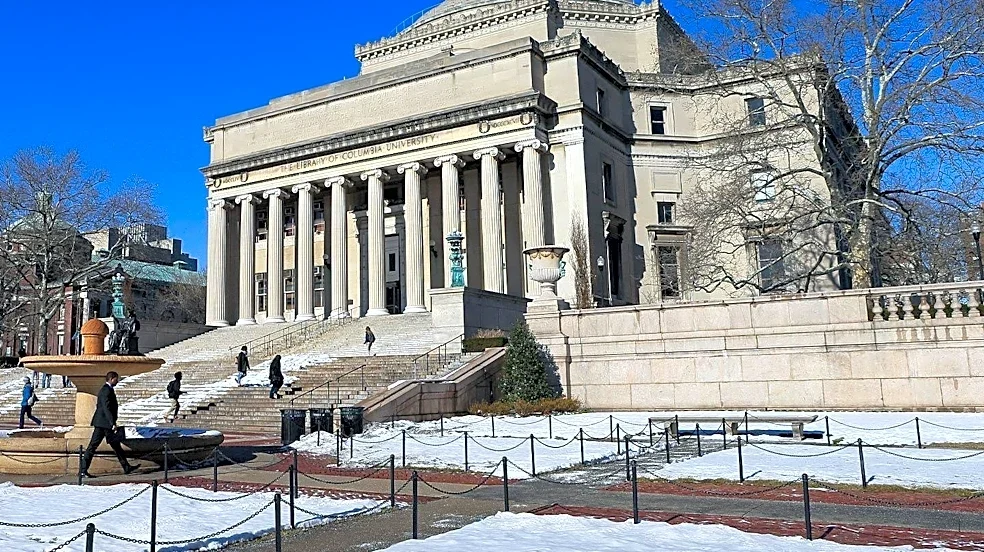
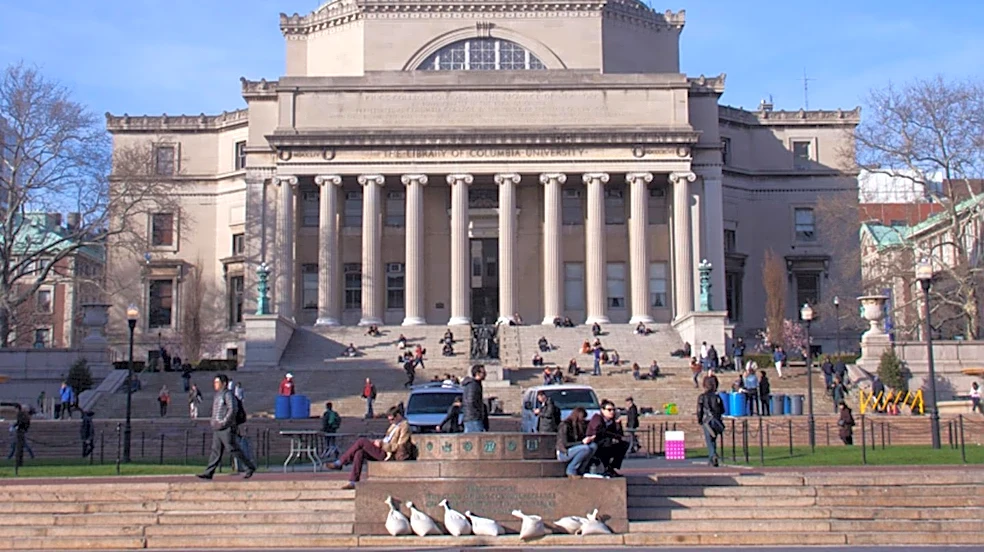
Columbia College is offering a new 200-level humanities course titled 'Imagination,' which delves into the nature of imagination as both make-believe and a vital tool for understanding the world. Taught by CM Burroughs, associate professor of creative
writing in the School of Communication and Culture, the course explores how reality and fantasy intersect in the human mind. It covers various aspects of imagination, from artistic inspiration to deeper psychological elements like anxiety and conspiracy theories. The curriculum emphasizes diverse perspectives, including those of deaf individuals, amputees, and minority cultures, using fiction to explore how these communities navigate societal systems. Students engage with works such as 'The Amputee’s Guide to Sex' by Jillian Weise and 'Radio Heart; or, How Robots Fall Out of Love' by Margaret Rhee.
Why It's Important?
This course is important because it highlights the growing recognition of interdisciplinary studies in higher education, particularly in humanities. By examining imagination through diverse lenses, including those of marginalized communities, the course fosters empathy and critical thinking, which are crucial skills in an increasingly complex society. It challenges students to move beyond conventional academic boundaries, encouraging them to apply imaginative thinking to various fields, not just the arts. For Columbia College, this new offering demonstrates an innovative approach to curriculum development, aiming to produce well-rounded individuals who are more open to difference and capable of creative problem-solving. The course's focus on how fiction can provide a platform for underrepresented voices also underscores its relevance in promoting inclusivity and social awareness within academic discourse.
What's Next?
As a new course, 'Imagination' will continue to evolve based on student feedback and academic developments. Its success could lead to the integration of similar interdisciplinary approaches in other departments at Columbia College. The course's emphasis on diverse perspectives and the use of fiction to explore societal issues may inspire further academic research and creative projects. It could also influence the broader humanities curriculum, encouraging more courses that bridge theoretical concepts with real-world applications and social commentary. The ongoing discussions and assignments within the course are expected to continue fostering critical engagement and personal growth among students, preparing them to be more adaptable and empathetic individuals in their future careers and lives.