







What's Happening?
Federal investigators have determined that the catastrophic collapse of the Champlain Towers South condominium in Surfside, Florida, which resulted in the deaths of 98 people in June 2021, began three weeks prior to the building's fall. According to the National
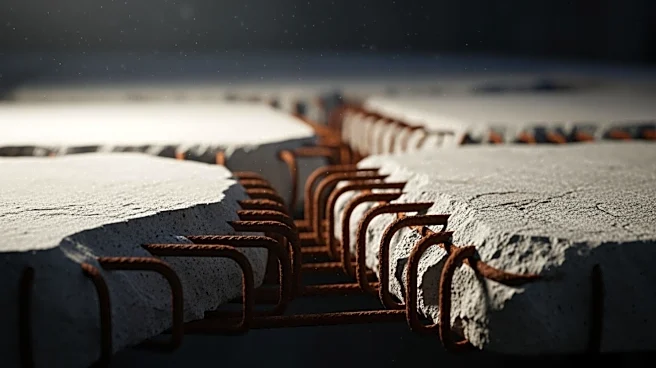
Institute of Standards and Technology’s (NIST) National Construction Safety Team, the collapse initiated in early June 2021 when two critical connections between garage columns and the pool deck failed. This failure led to cracks and a redistribution of loads in the pool deck, culminating in the building's collapse on June 24, 2021. The investigation, which has been ongoing for nearly five years, also highlighted that the construction of the pool deck deviated from design requirements, with inadequate slab reinforcing bars over vertical columns. Historical documents from Surfside town officials indicated that repairs were needed as early as 1996, and a 2018 report had identified major structural damage and failed waterproofing.
Why It's Important?
The findings from the NIST investigation underscore significant concerns about building safety and regulatory compliance in the U.S. construction industry. The revelation that structural issues were identified years before the collapse raises questions about the effectiveness of building inspections and the enforcement of safety standards. This incident has prompted a reevaluation of building codes and inspection protocols nationwide, aiming to prevent similar tragedies. The collapse has also led to increased scrutiny on the maintenance and repair practices of older buildings, particularly in coastal areas where environmental factors can exacerbate structural vulnerabilities. Stakeholders, including property owners, construction companies, and regulatory bodies, are likely to face increased pressure to ensure compliance with safety standards to protect residents and prevent future disasters.
What's Next?
NIST investigators are now focusing on writing the final report, which will provide detailed recommendations for preventing similar incidents in the future. This report is expected to influence changes in building codes and inspection practices across the United States. Additionally, there may be legal and financial repercussions for those involved in the construction and maintenance of the Champlain Towers South, as well as potential policy changes at the local, state, and federal levels. The tragedy has already led to legislative proposals aimed at improving building safety standards and increasing funding for inspections and repairs of aging infrastructure.