




What's Happening?
In the Peruvian Amazon, Asháninka communities are implementing the 'Paamari Strategy' to prevent wildfires, combining traditional knowledge with modern technology. Developed in 2022 by CARE with its 45 member communities and supported by Cool Earth, the initiative
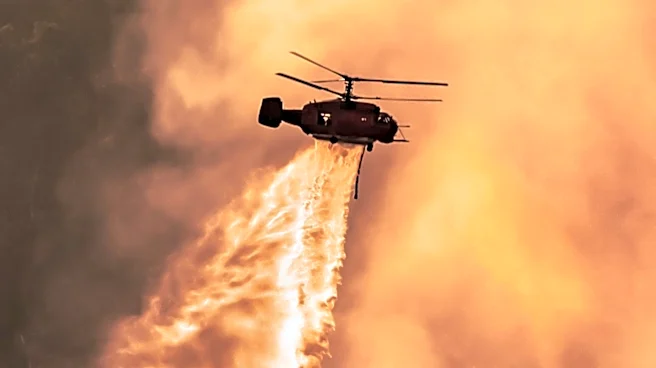
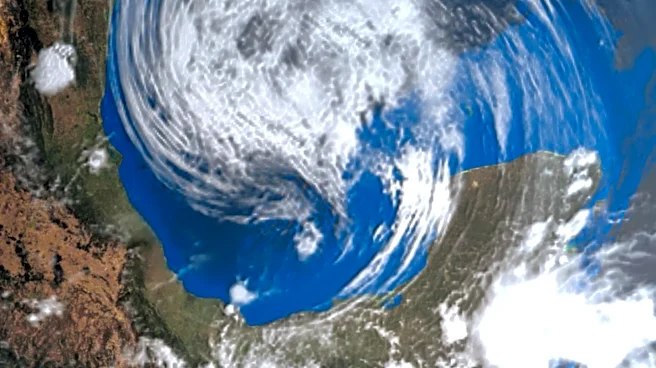
promotes Integrated Fire Management (IFM). This strategy includes community-based prevention through awareness campaigns and early warning systems, training community fire brigades (including women), and utilizing satellite and meteorological monitoring for daily alerts and preventive burning schedules. The Asháninka people traditionally use fire for agriculture, but rising temperatures, prolonged droughts, and changing weather patterns have increased the risk of these burns escalating into destructive wildfires. The strategy aims to manage fire more safely in the context of climate change.
Why It's Important?
While focused on the Peruvian Amazon, this initiative offers valuable insights for the U.S., particularly for regions prone to wildfires like California and the Pacific Northwest. The U.S. faces increasing challenges from wildfires, impacting ecosystems, communities, and the economy. The Paamari Strategy demonstrates the effectiveness of integrating indigenous knowledge—which often includes centuries of land management practices—with modern technological tools for wildfire prevention. This approach could inform U.S. public policy on wildfire management, encouraging collaboration with Native American tribes and local communities to leverage traditional ecological knowledge. It highlights the potential for more effective and culturally appropriate solutions, potentially reducing the massive costs associated with wildfire suppression and recovery in the U.S.
What's Next?
The Paamari Strategy has shown progress, with the number of wildfires in Asháninka territories decreasing from 25 in 2023 to nine in 2024, and no wildfires reported in 2025, though smaller outbreaks were controlled. However, new wildfires in 2026 underscore the ongoing risk and the need for continuous strengthening of capacities, adequate resources, and closer coordination with risk management institutions. The experience is being shared to adapt and scale up the approach, advocating for Integrated Fire Management as a public policy. This suggests a future where such integrated approaches could gain wider recognition and adoption, potentially influencing international best practices and collaborations, including with U.S. agencies involved in land and fire management.
Beyond the Headlines
The Paamari Strategy highlights the profound value of Indigenous knowledge in addressing contemporary environmental crises. Beyond its practical applications in wildfire prevention, it represents a cultural and ethical imperative to recognize and empower Indigenous communities as key partners in climate adaptation. The integration of traditional practices with technology also challenges the often-siloed approaches to environmental management, advocating for a more holistic and community-centric model. For the U.S., this could mean a re-evaluation of land management policies, fostering greater respect for and incorporation of Native American land stewardship practices, and addressing historical injustices that have marginalized these knowledge systems. It points to a long-term shift towards more inclusive and culturally sensitive environmental governance.