
What's Happening?
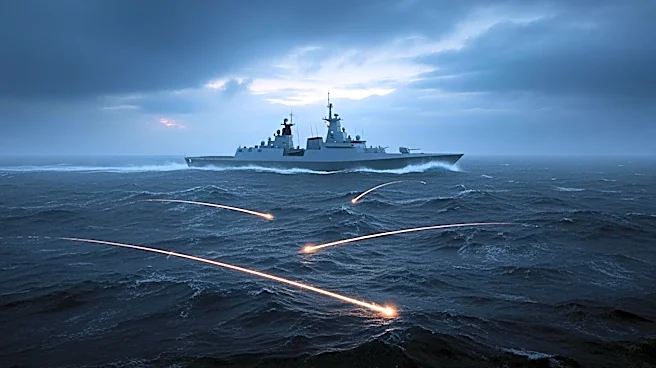
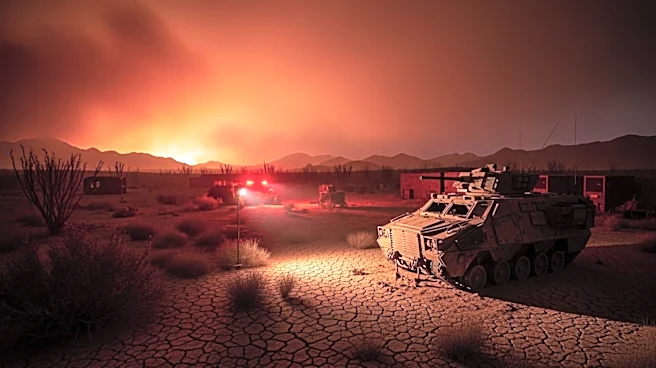
Iran has conducted a series of strikes that have damaged or destroyed at least 228 US military assets across 15 bases in the Middle East. These attacks, primarily involving drones, have exposed vulnerabilities
in US military defenses, particularly in intercepting drone threats. The strikes are part of Iran's broader retaliation following recent escalations in the region, including the killing of key Iranian figures by Israeli forces. The damage assessment highlights the need for the US to reassess its military preparedness and defense strategies in the face of evolving threats.
Why It's Important?
The Iranian strikes demonstrate the increasing sophistication and capability of Iran's military technology, particularly in the use of drones. This development poses a significant challenge to US military operations in the region, as traditional defense systems may not be adequately equipped to handle such threats. The situation underscores the need for the US to invest in advanced defense technologies and strategies to protect its assets and personnel. The broader implications include potential shifts in military alliances and strategies as regional powers reassess their security postures.
What's Next?
In response to the damage inflicted by Iranian strikes, the US military is likely to enhance its defense systems and explore new technologies to counter drone threats. This may involve increased collaboration with allies and defense contractors to develop more effective interception capabilities. Additionally, diplomatic efforts may be intensified to de-escalate tensions and prevent further military engagements. The situation will require ongoing analysis and adaptation to address the challenges posed by modern warfare technologies.