


What's Happening?
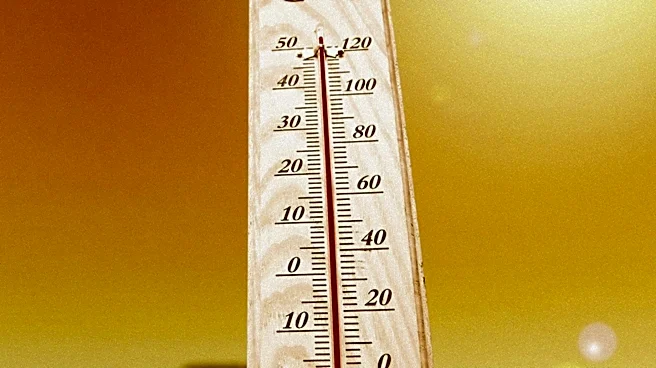
Helotes, Texas, situated at the convergence of the Edwards Plateau and the San Antonio basin, experiences a volatile microclimate characterized by extreme seasonal weather patterns. The region endures suffocating summer heat from late May through September,
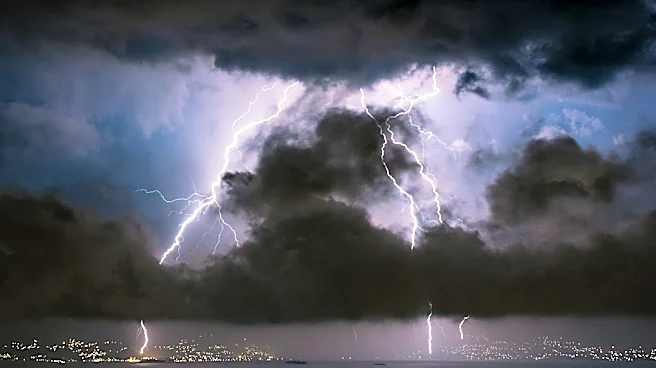
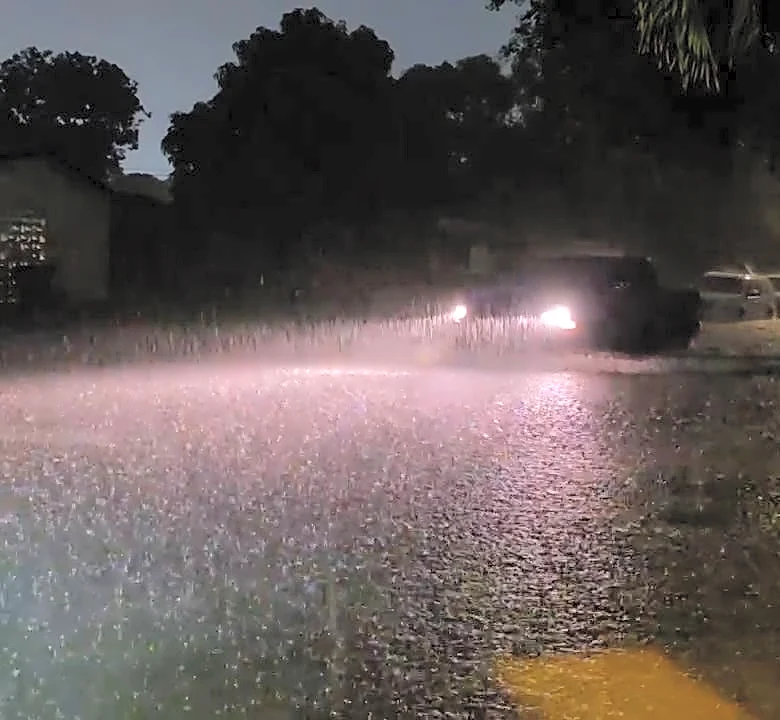
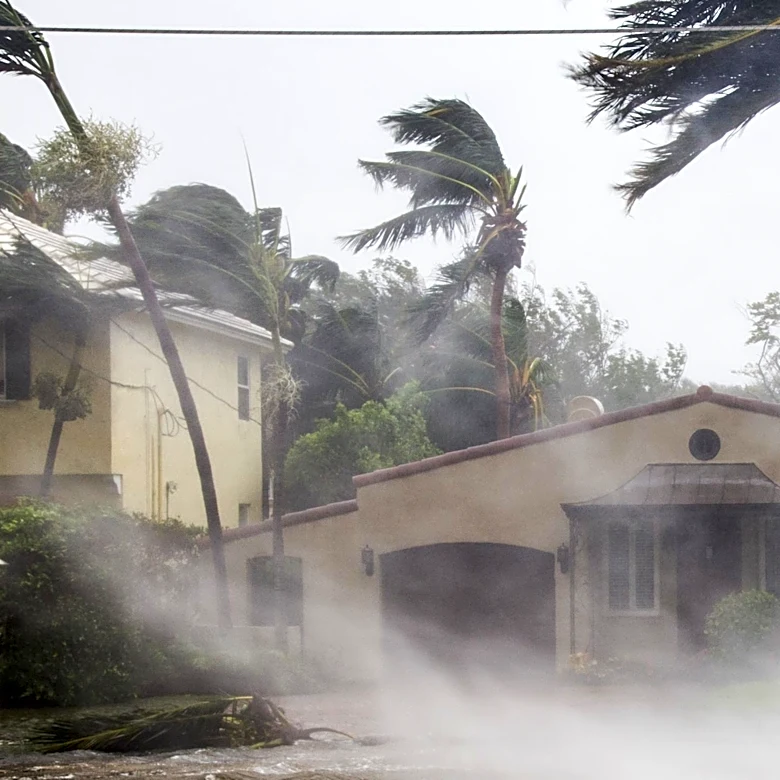
with average high temperatures in the mid-to-upper 90s Fahrenheit and 'feels-like' temperatures often reaching dangerous levels. This persistent heat, driven by the Bermuda High, leads to rapid drought development. Spring and fall bring unpredictable deluges and severe convective storms, including torrential rainfall, large hail, and damaging winds, due to the collision of cool, dry northern air with warm, moist Gulf air. The Balcones Escarpment intensifies precipitation through orographic lifting. Winters are generally mild but feature sharp intrusions of arctic air, posing threats of freezing rain and sleet, which can cripple infrastructure optimized for heat. The community actively adapts to these conditions through resilient architecture, native landscaping, and widespread storm shelters.
Why It's Important?
The unique microclimate of Helotes significantly impacts daily life, infrastructure, and public safety. The intense summer heat places substantial stress on energy grids and human physiology, necessitating robust energy management strategies. The severe storms in spring and fall pose direct threats to property and life, requiring advanced hydrological management to prevent flash flooding and robust emergency response systems for power outages and structural damage. The vulnerability of local infrastructure to freezing weather highlights a critical regional challenge, as systems are primarily designed for heat. The community's proactive adaptation, including building codes and landscaping choices, serves as a model for resilience in areas prone to extreme weather. This situation underscores the broader implications of localized climate phenomena on urban planning, resource allocation, and community preparedness in geographically diverse regions.
What's Next?
Residents of Helotes will continue to face ongoing challenges from their dynamic microclimate, necessitating continuous adaptation and preparedness. Local authorities and utility companies will likely focus on enhancing infrastructure resilience to both extreme heat and intermittent freezing events, potentially through grid modernization and improved weatherization efforts. The National Weather Service office in Austin-San Antonio will remain a critical resource, providing timely forecasts and warnings during severe weather seasons, which typically run from March through June. Community efforts will likely continue to emphasize public awareness campaigns, encouraging residents to maintain preparedness for sudden weather shifts. Further development in the area may incorporate more stringent building codes and urban planning strategies that account for the specific climatic risks, ensuring new constructions are better equipped to withstand the region's weather extremes.
Beyond the Headlines
The situation in Helotes reflects a broader national trend where localized climate patterns are intensifying, demanding more granular and adaptive responses. The community's pragmatic approach to weather, as noted by local business owner Maria Gonzalez, highlights a cultural shift towards heightened environmental awareness and self-reliance in the face of unpredictable natural forces. This microclimate also presents unique challenges for data collection and analysis, as weather phenomena can vary significantly over short distances, necessitating dense networks of hyper-local weather stations. The economic implications extend to insurance markets, property values, and the cost of maintaining public services, as the frequency and intensity of extreme weather events increase. The ongoing adaptation in Helotes could serve as a case study for other communities grappling with similar localized climate vulnerabilities, emphasizing the importance of integrating scientific understanding with community-level resilience strategies.