






What's Happening?
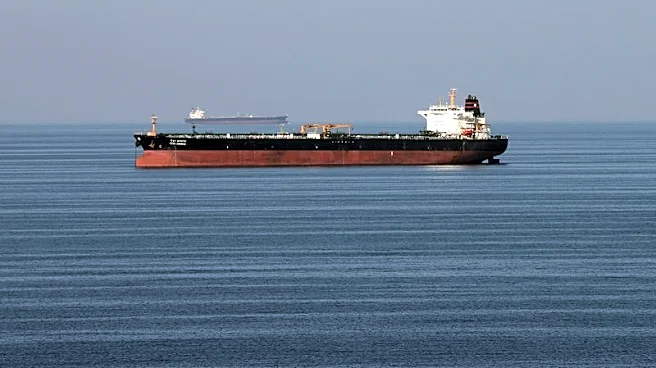
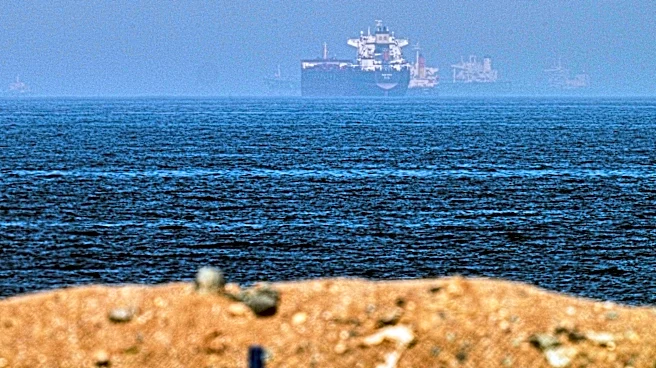
Oil prices have risen due to concerns over the potential reopening of the Strait of Hormuz, a critical passage for global oil and liquefied natural gas. Iran, in collaboration with Oman, has proposed banning vessels deemed hostile and imposing fines on violators.
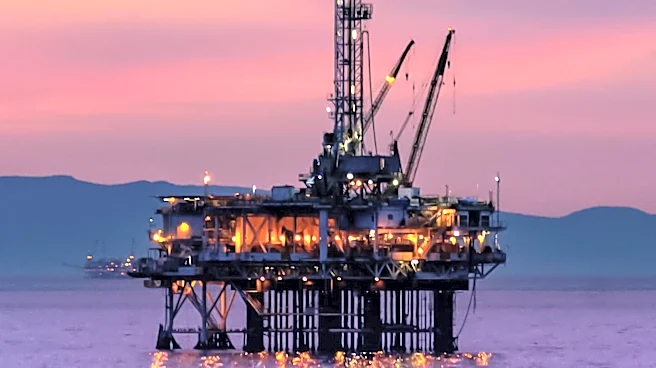
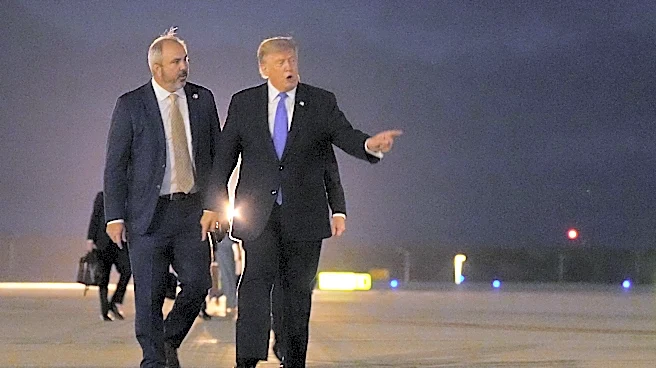
This has led to an increase in Brent crude futures by 0.97% to $83.29 a barrel and US West Texas Intermediate futures by 0.83% to $77.93. The tensions stem from Iran's draft plan to restrict US and Israeli vessels, which has caused market volatility. The situation is further complicated by ongoing hostilities between Iran and the US, with Iran reviewing a bill to enforce these restrictions.
Why It's Important?
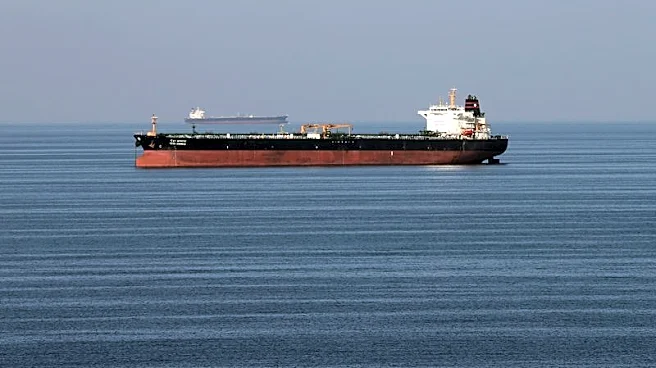
The Strait of Hormuz is a vital chokepoint for the global oil supply, with about a fifth of the world's oil passing through it. Any disruption or restriction in this area can significantly impact global oil prices and supply chains. The proposed restrictions by Iran could lead to increased shipping costs and insurance premiums, affecting global markets. The US and other countries reliant on oil from this region may face supply challenges, potentially leading to increased energy costs and economic instability. The situation underscores the geopolitical risks associated with energy security and the need for diversified energy sources.
What's Next?
The international community, particularly countries dependent on oil from the Middle East, will be closely monitoring the developments. Potential diplomatic negotiations or interventions may occur to prevent further escalation. The US and its allies might seek alternative routes or increase domestic production to mitigate the impact. Additionally, the oil market will remain volatile as traders react to any new developments regarding the Strait of Hormuz. The outcome of Iran's legislative process on the proposed restrictions will be crucial in determining the future of oil transit through this critical passage.