



What's Happening?
Researchers at Flinders University have developed a new water filtration technology capable of removing up to 98% of PFAS, also known as 'forever chemicals,' from water. These chemicals, used in various industrial and consumer products, are notoriously
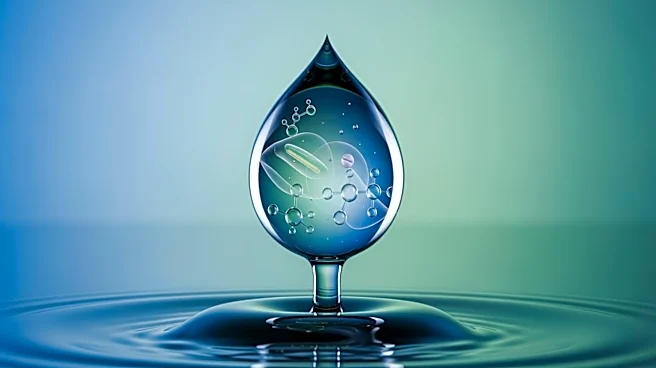
difficult to break down and have been linked to health risks. The new technology utilizes a nano-sized molecular cage that captures short-chain PFAS molecules, which are typically more challenging to remove. This innovation represents a significant advancement in addressing one of the most persistent environmental contaminants.
Why It's Important?
The development of this new filtration technology is crucial in the ongoing battle against environmental pollution caused by PFAS. These chemicals have been found in water supplies worldwide, posing potential health risks to humans and wildlife. The ability to effectively remove these contaminants from water could have significant implications for public health and environmental protection. This breakthrough could lead to improved water treatment processes, reducing the exposure of communities to harmful chemicals and potentially influencing regulatory standards for water quality.
What's Next?
The research team plans to further test the material's effectiveness and explore its integration into existing water treatment systems. If successful, this technology could be adopted by water treatment facilities to enhance the safety of drinking water. The findings may also prompt further research into similar materials capable of addressing other environmental contaminants. Regulatory bodies might consider revising guidelines to incorporate new technologies that improve water quality standards.