





What's Happening?
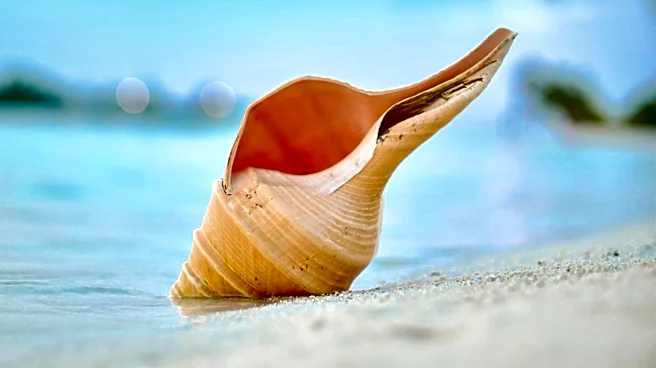
Researchers are deploying mobile queen conch hatcheries across the Caribbean, including U.S. territories like Puerto Rico and potentially Florida, to combat the severe decline of the species. The Queen Conch Lab (QCL), affiliated with Florida Atlantic
University (FAU), is partnering with local conservation organizations to establish these solar-powered mobile labs. The goal is to protect queen conch during their vulnerable early life stages and to educate local communities about the species' life cycle and conservation efforts. These mobile units, approximately 8 feet wide and 20 feet long, can be easily transported and are designed to nurture developing conch larvae. Since the first lab launched in 2022, communities in Jamaica, Puerto Rico, and the Bahamas have established additional hatcheries, with more planned for Cataño, Puerto Rico, and Fort Pierce, Florida.
Why It's Important?
The decline of the queen conch, designated as a threatened species under the U.S. Endangered Species Act in 2024, has significant ecological and economic implications for the U.S. and Caribbean regions. Overharvesting, habitat degradation, pollution, and warming waters threaten this iconic marine snail, which plays a vital role in marine ecosystems. The mobile hatcheries offer a novel approach to conservation by not only boosting conch populations but also by fostering community engagement and education. For U.S. territories and states like Florida, this initiative contributes to regional biodiversity efforts and supports the health of marine environments that are crucial for tourism and local economies. However, some researchers question whether aquaculture alone can fully restore wild conch fisheries, emphasizing the need for further research into the long-term impact of these efforts.
What's Next?
The QCL plans to continue expanding its network of mobile hatcheries, with additional units slated for Cataño, Puerto Rico, and Fort Pierce, Florida. These hatcheries will continue to raise conch larvae and juveniles, with the aim of releasing them into the wild to reach reproductive age. Ongoing research is crucial to determine the effectiveness of aquaculture in substantively repopulating wild conch fisheries. Megan Davis, director of the QCL, remains hopeful that releases from these hatcheries will lead to more conch reaching maturity and reproducing in the wild. The initiative will also continue its focus on community education, aiming to raise awareness about the conch's life cycle and the importance of sustainable management practices.
Beyond the Headlines
This initiative highlights the broader challenges of marine conservation in the face of climate change and human impact. The mobile nature of the hatcheries, designed to withstand extreme weather events, underscores the adaptive strategies needed for conservation in a changing climate. The project also exemplifies the power of community-based conservation, where local involvement is key to the success of ecological restoration efforts. The debate among researchers about the efficacy of aquaculture for wild population restoration points to the complexities of ecological intervention and the need for robust scientific validation. Ultimately, the success of these hatcheries may be measured not just by the number of conch released, but by their ability to inspire a deeper connection between communities and their marine environment, fostering a long-term stewardship ethic.