



What's Happening?
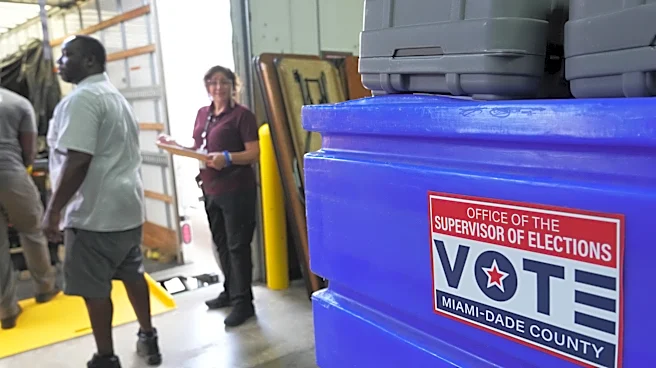
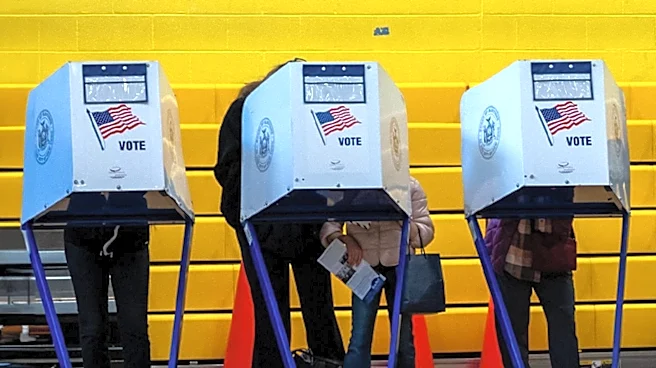
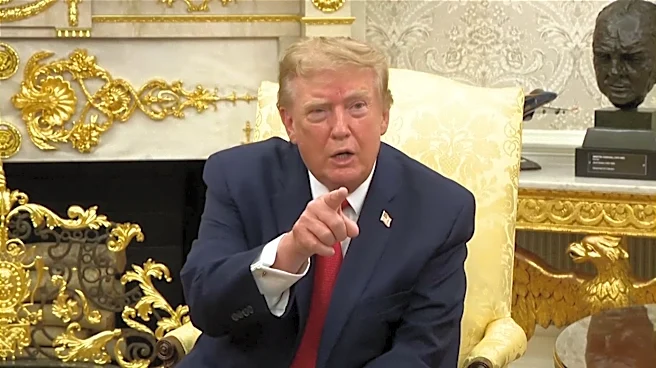
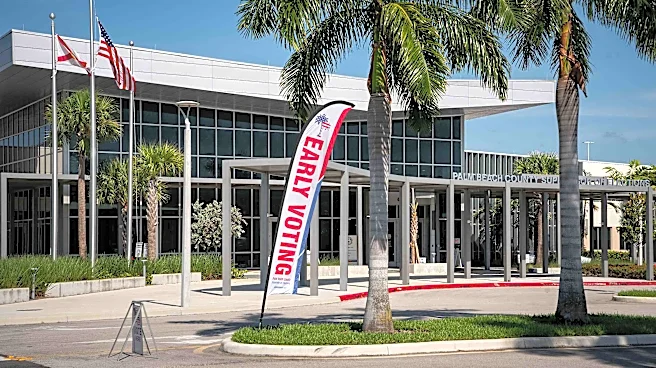
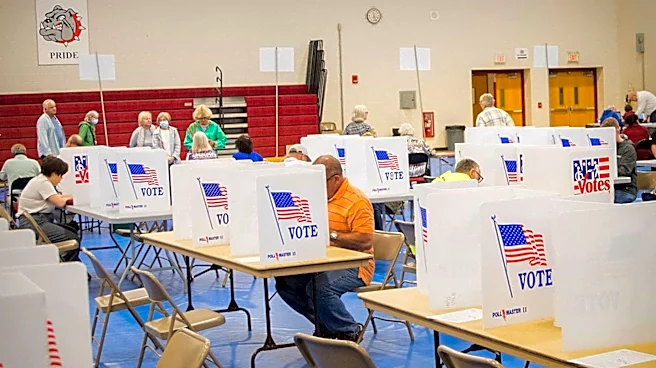
Leon County Supervisor of Elections Mark Earley has assured voters that federal or local law enforcement will not be present at polling places on Election Day. This reassurance comes amidst voter fears, heightened by President Trump's rhetoric on immigration
and voter fraud, that police or federal immigration agents might appear at voting sites. Earley, who is on the executive committee of the Elections Infrastructure Information Sharing and Analysis Center (EI-ISAC), confirmed that the Department of Homeland Security, the FBI, and the Florida Department of Law Enforcement have all stated that officers will not be deployed to polls. Federal laws, including one from the post-Civil War era and the Voting Rights Act of 1965, explicitly prohibit armed personnel at polling places and intimidation of voters. Florida statutes also restrict law enforcement entry into voting locations without permission. Advocacy groups, such as the Brennan Center for Justice, have prepared for legal action should federal agents appear.
Why It's Important?
The need for election officials to explicitly reassure voters about the absence of law enforcement at polling places underscores a significant concern about voter intimidation and the integrity of the electoral process. Fears, particularly among minority communities like the Latina woman mentioned, highlight how political rhetoric and federal actions can create an environment of apprehension, potentially suppressing voter turnout. The historical context of laws prohibiting armed presence at polls emphasizes the long-standing commitment to ensuring free and fair access to voting without coercion. The Trump administration's focus on voter fraud and immigration crackdowns has fueled these anxieties, making the role of local election officials in upholding voter confidence more critical than ever. This situation impacts the fundamental right to vote and the public's trust in democratic institutions.
What's Next?
As Election Day approaches, local election officials like Mark Earley will likely continue their efforts to communicate directly with voters, dispelling misinformation and reinforcing the security and accessibility of polling places. Advocacy groups will remain vigilant, ready to challenge any perceived attempts at voter intimidation or unauthorized law enforcement presence. The ongoing legal landscape surrounding election administration and federal-state relations will continue to evolve, potentially leading to further lawsuits or policy clarifications. The midterm elections will serve as a crucial test of these reassurances and the effectiveness of legal protections against voter intimidation. The response from federal agencies to these concerns, and their adherence to established laws, will be closely monitored by election watchdogs and the public.
Beyond the Headlines
The controversy surrounding potential law enforcement presence at polling places reveals a deeper societal tension regarding the balance between election security and voter access. While the stated goal might be to prevent voter fraud, the perceived effect can be voter intimidation, particularly for vulnerable populations. This situation highlights the ethical responsibility of political leaders to ensure their rhetoric does not inadvertently create an atmosphere of fear that undermines democratic participation. Culturally, it reflects a growing distrust in government institutions and a heightened sensitivity to actions that could be interpreted as attempts to suppress votes. The long-term implication could be a re-evaluation of how election security measures are communicated and implemented, with a greater emphasis on transparency and community engagement to build and maintain voter confidence, rather than relying on potentially intimidating displays of authority.