





What's Happening?
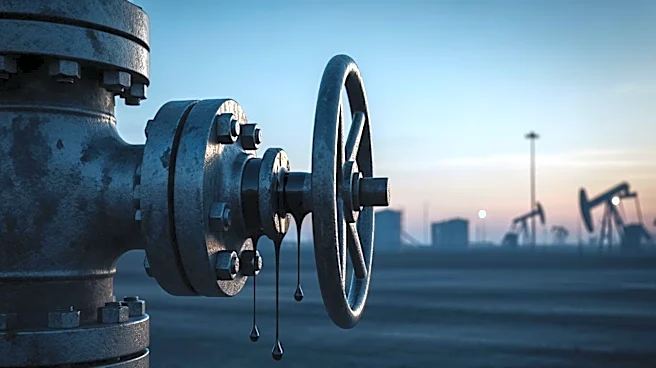
In West Texas, organized crime groups are stealing approximately $1 billion worth of crude oil each year. These groups have become increasingly sophisticated, employing tactics such as cloning service trucks and blowing up pipelines to siphon oil. The thefts
are facilitated by high oil prices, driven by geopolitical tensions, making the stolen oil attractive to buyers willing to overlook its illicit origins. A notable incident involved a pipeline explosion in Reeves County in March 2025, caused by an attempted theft. This incident highlights the growing danger posed by these thefts, not only in terms of economic loss but also in terms of safety risks to nearby communities and energy infrastructure.
Why It's Important?
The scale and sophistication of these thefts pose significant challenges to the energy sector, particularly in the Permian Basin, which accounts for nearly half of U.S. crude oil production. The economic impact is substantial, affecting oil companies' bottom lines and potentially leading to higher prices for consumers. The safety risks associated with pipeline explosions also raise concerns about the vulnerability of critical infrastructure. This situation underscores the need for enhanced security measures and regulatory oversight to protect the energy supply chain and ensure the safety of workers and communities.
What's Next?
Authorities may increase efforts to combat oil theft through enhanced surveillance and stricter penalties for offenders. The Texas Railroad Commission and other regulatory bodies might implement new security protocols and collaborate with law enforcement to address this issue. The energy industry could also invest in advanced technologies to detect and prevent thefts, such as pipeline monitoring systems and real-time data analytics. These measures could help mitigate the risks and reduce the economic impact of oil theft in the region.