






What's Happening?
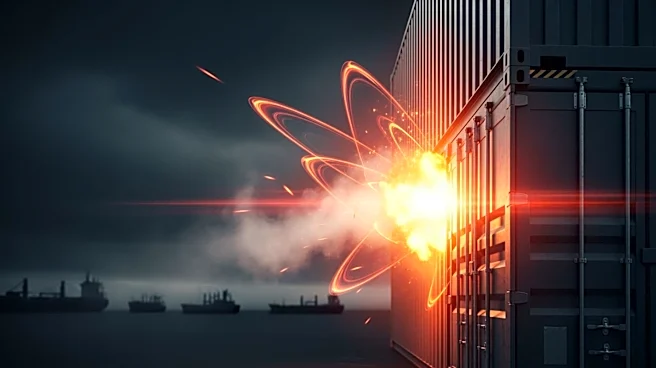
Iran has launched a series of limited attacks against Gulf countries, including Kuwait, Qatar, and the UAE, as part of a strategy to exert pressure on the United States during ongoing negotiations. The Kuwaiti Army intercepted two drones, while a drone attack on a cargo
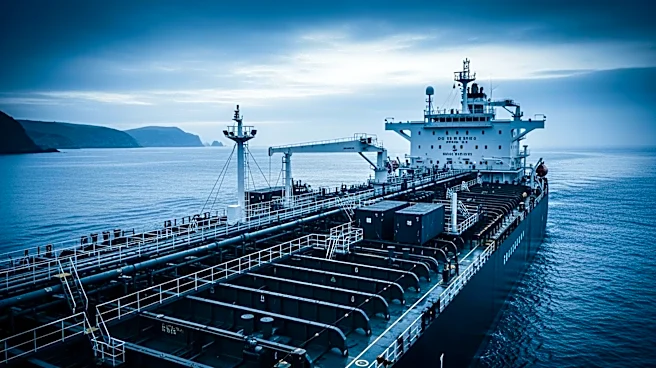
vessel in Qatari waters caused a fire, which was extinguished by the crew. The vessel, en route from Abu Dhabi to Mesaieed, was identified as the Liberian-flagged MV Laya. Additionally, the UAE reported intercepting two drones fired from Iran. These actions are believed to be orchestrated by Iran's IRGC to influence Gulf states to pressure U.S. negotiators into granting concessions. Despite these attacks, a Qatari-owned LNG tanker was allowed to transit the Strait of Hormuz, indicating a complex diplomatic maneuvering by Iran.
Why It's Important?
The attacks underscore the volatile geopolitical climate in the Gulf region, with Iran using military tactics to influence diplomatic negotiations with the United States. The incidents highlight the strategic importance of the Gulf states in global energy supply chains and the potential for regional instability to impact international markets. The IRGC's actions could provoke a stronger response from the Gulf Cooperation Council (GCC) states, potentially escalating tensions further. The situation also reflects the delicate balance of power and the intricate diplomatic relations between Iran, the Gulf states, and the U.S., with significant implications for regional security and economic stability.
What's Next?
The immediate future may see increased military readiness among Gulf states and potential diplomatic efforts to de-escalate tensions. The U.S. and its allies might consider reinforcing their military presence in the region to deter further Iranian aggression. Additionally, the ongoing negotiations between Iran and the U.S. could be influenced by these developments, with both sides potentially reassessing their strategies. The international community will likely monitor the situation closely, given its implications for global energy markets and regional security.
Beyond the Headlines
The attacks reveal the broader strategic objectives of Iran's IRGC, which seeks to leverage military actions to gain diplomatic advantages. This approach raises ethical and legal questions about the use of force in international relations and the potential consequences for civilian safety and maritime security. The situation also highlights the challenges of maintaining peace and stability in a region fraught with historical rivalries and geopolitical complexities.