





What's Happening?
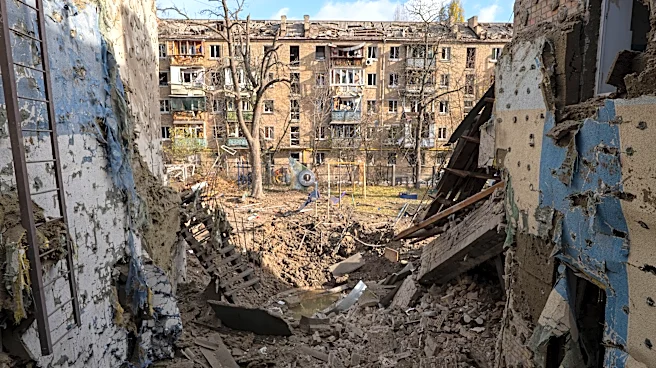
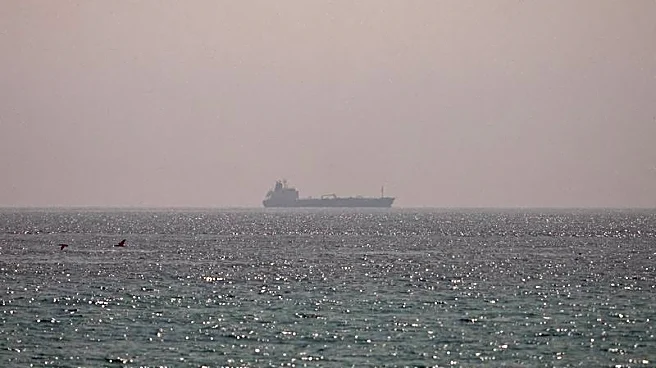
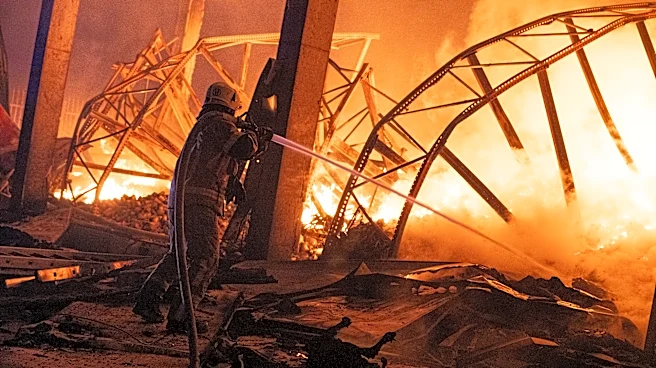
Millions of tonnes of Ukrainian grain are at risk of inadequate storage due to the ongoing war with Russia, which has transformed the Black Sea and its shipping lanes into battlefields. This situation, coupled with continuing attacks in the Strait of Hormuz
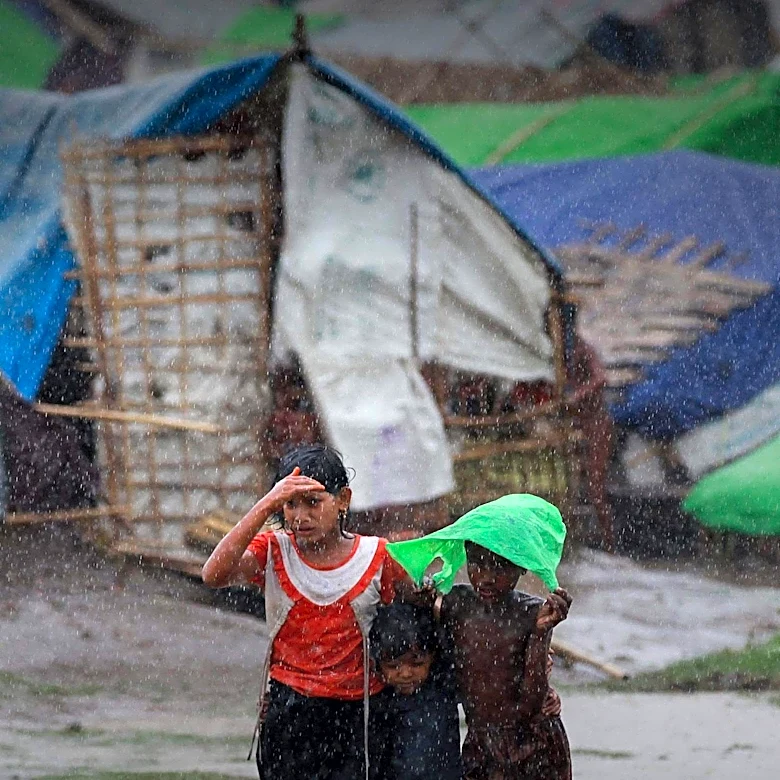
that have disrupted food deliveries and fertilizer/energy exports, is creating a double blow to food security in the Middle East. Ukraine, a significant supplier of affordable grain, has seen its exports drop by 29% compared to the previous year as of October 30, 2026. The FAO reported a 6.3% increase in wheat prices in September, reaching a three-year high, partly due to Black Sea logistical constraints and uncertainty in the Strait of Hormuz. Countries like Yemen face acute food insecurity, with 47% of the population in government-controlled areas affected, and 1.8 million people expected to experience emergency-level food insecurity. Lebanon has seen sharp increases in food prices, and Gaza is heavily reliant on humanitarian food assistance. Disruptions to fertilizer shipments through Hormuz also threaten future harvests globally.
Why It's Important?
The dual crises in the Black Sea and the Strait of Hormuz have profound implications for global food security, particularly for the U.S. and its allies. The U.S. is a major agricultural producer and a significant player in international aid. Increased global food prices and disrupted supply chains can lead to higher costs for U.S. consumers and businesses, and potentially increase demand for U.S. food exports, which could strain domestic supplies or raise prices. Furthermore, food insecurity in the Middle East can exacerbate political instability, humanitarian crises, and migration flows, directly impacting U.S. foreign policy objectives and national security interests. The U.S. may face increased pressure to provide humanitarian aid, mediate conflicts, and ensure the free flow of trade through critical maritime chokepoints. The long-term effects on global agricultural markets and geopolitical stability are significant, as these disruptions highlight the fragility of interconnected global systems.
What's Next?
The immediate future involves continued efforts to find alternative routes for Ukrainian agricultural products and expand temporary storage capacity within Ukraine, supported by the EU and FAO. However, these measures cannot fully compensate for the Black Sea ports' capacity or solve the storage problem if exports remain blocked. The political deadlock in both the Ukraine war and the Iran conflict (which led to the Hormuz blockade) suggests that these disruptions will persist. U.S.-mediated talks are scheduled to take place in Abu Dhabi next week, indicating ongoing diplomatic efforts to address regional tensions. For the World Food Programme, higher shipping costs and delays will continue to stretch already limited resources, meaning the same amount of funding will buy less food. The effects could extend into next year's harvest, with potential reductions in yields due to fertilizer scarcity, particularly impacting import-dependent countries in Africa, Asia, and the Middle East.
Beyond the Headlines
These crises underscore the vulnerability of global food systems to geopolitical conflicts and highlight the interconnectedness of energy, trade, and humanitarian concerns. The weaponization of food supplies and maritime routes has far-reaching consequences, extending beyond immediate economic impacts to affect social stability and human rights. The reliance of many nations on a few key agricultural exporters and critical shipping lanes creates systemic risks. This situation also brings to light the ethical dilemmas faced by international bodies and governments in balancing national interests with global humanitarian responsibilities. The long-term implications include a potential shift in global trade patterns, increased investment in diversified food sources and supply chains, and a re-evaluation of international security strategies to protect vital economic corridors. The crises serve as a stark reminder of how regional conflicts can trigger global ripple effects, impacting millions far from the immediate battlegrounds.