







What's Happening?
Tiana Barker, a registered dietitian nutritionist with Intermountain Health, emphasizes the importance of adopting an anti-inflammatory nutrition strategy rather than adhering to specific anti-inflammatory diets often promoted online. According to Barker, this
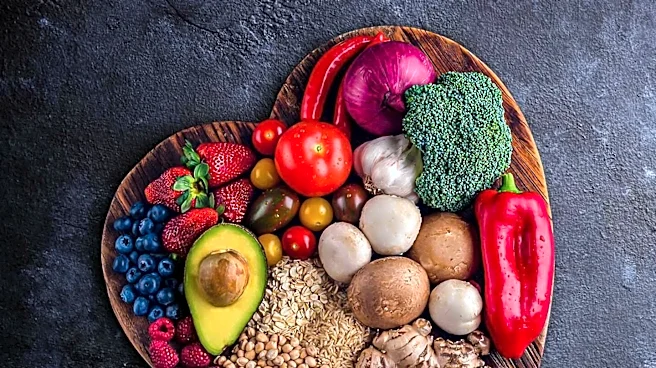
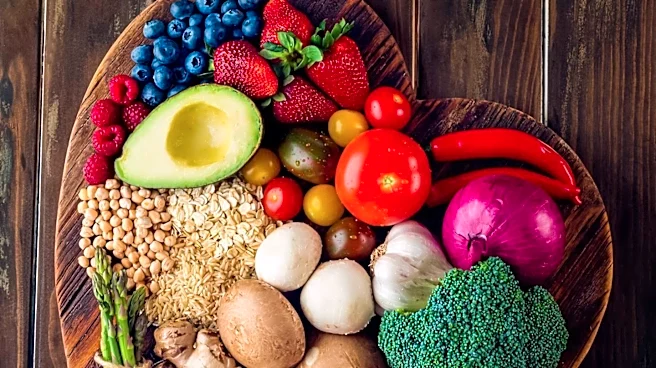
strategy involves consuming a diverse range of nutritious foods to help manage inflammation and bolster immune system function. The goal is to improve overall health and prevent the progression of diseases during periods of physical illness or injury. While inflammation is a natural bodily response to injury or infection, chronic inflammation can be linked to serious health issues such as heart disease, Type 2 diabetes, and obesity. Barker highlights that registered dietitians base their recommendations on current medical studies, guiding individuals toward comprehensive eating patterns like the Dietary Approaches to Stop Hypertension (DASH) Diet and the Mediterranean Diet, which are recognized for their anti-inflammatory benefits. She also notes that certain supplements, including omega-3 fatty acids, vitamin D3, turmeric/curcumin, magnesium, probiotics, and tart cherry juice, may offer additional support, but advises consulting a healthcare provider before incorporating them.
Why It's Important?
This guidance from Intermountain Health is significant for public health in the U.S. as it shifts the focus from restrictive 'diets' to sustainable 'nutrition strategies.' In an era where numerous fad diets are popularized, often without scientific backing, Barker's recommendation provides a medically sound approach to managing inflammation, a condition linked to a wide array of chronic diseases prevalent in the U.S. The emphasis on a varied intake of nutritious foods, rather than strict adherence to a single diet, promotes a more balanced and accessible approach to health for a broader population. By advocating for established eating patterns like the DASH and Mediterranean diets, which are already recognized for their cardiovascular and overall health benefits, the advice can help reduce the incidence and severity of chronic conditions, thereby potentially lowering healthcare costs and improving the quality of life for many Americans. Furthermore, the caution regarding supplements underscores the importance of professional medical consultation, preventing potential misuse or adverse effects from self-prescribed remedies.
What's Next?
Individuals seeking to implement an anti-inflammatory nutrition strategy are encouraged to consult with registered dietitians, who can provide personalized guidance based on current medical studies. Intermountain Health suggests visiting their nutrition services page to find a registered dietitian. This approach will likely lead to a more tailored and effective dietary plan, moving beyond generic online advice. Healthcare providers will continue to play a crucial role in advising patients on the appropriate use of supplements, ensuring they complement dietary changes safely and effectively. The ongoing research into how specific foods affect inflammation will further refine these nutrition strategies, potentially leading to more targeted recommendations in the future. Public health campaigns and educational initiatives may also adopt this strategic approach, promoting balanced eating patterns over transient diet trends to combat chronic inflammation and improve national health outcomes.
Beyond the Headlines
The distinction between an 'anti-inflammatory diet' and an 'anti-inflammatory nutrition strategy' carries deeper implications for how the public perceives and approaches health. The term 'diet' often implies temporary restriction, which can be unsustainable and lead to cycles of weight loss and gain, or nutritional deficiencies. In contrast, a 'nutrition strategy' suggests a long-term, holistic lifestyle change focused on overall well-being and disease prevention. This shift in terminology can empower individuals to make more informed and sustainable food choices, fostering a healthier relationship with food. Ethically, this approach promotes evidence-based practices over marketing-driven diet trends, safeguarding public trust in health professionals. Culturally, it encourages a broader appreciation for diverse, nutrient-rich foods, moving away from the often-monotonous and restrictive nature of many popular diets. This could lead to a more inclusive and adaptable framework for dietary health, accommodating various cultural food practices while still promoting anti-inflammatory benefits.