






What's Happening?
Puerto Rico's government has authorized a $2 billion luxury development project in the southwest region of the island, specifically in the coastal town of Cabo Rojo. The project, named Esencia, will cover 2,000 acres and include 500 luxury hotel rooms,
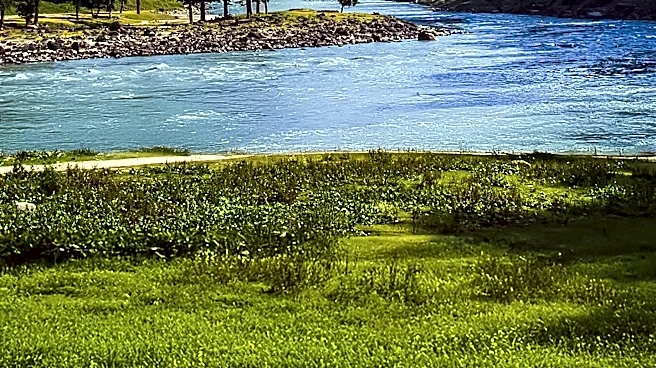
1,200 private residences, two golf courses, an equestrian center, a school, and a medical center. The development is backed by global investment firm Reuben Brothers and real estate company Three Rules Capital. Despite assurances that 75% of the project will focus on conservation and green space, environmentalists have raised concerns about the potential strain on local resources and threats to wildlife. The project has been approved by Puerto Rico's Adjunct Board of the Permit Management Office, but it faces opposition from groups like the Defend Cabo Rojo Coalition, which argues that the community and experts were not adequately consulted.
Why It's Important?
The approval of this development project is significant as it highlights the ongoing tension between economic development and environmental conservation in Puerto Rico. The project promises to create over 17,000 jobs and contribute to public improvement projects, which could boost the local economy. However, environmentalists warn that it could exacerbate existing resource strains, particularly water shortages, as Puerto Rico is currently facing a drought. The development's reliance on renewable energy and its own water infrastructure is intended to mitigate these concerns, but the long-term environmental impact remains a point of contention. The situation underscores the broader challenge of balancing economic growth with sustainable environmental practices.
What's Next?
The developers plan to start sales later this year, with the first residents and guests expected by late 2029. As the project progresses, it is likely to face continued scrutiny and potential legal challenges from environmental groups. The developers have pledged to maintain public beach access and contribute to local infrastructure, but it remains to be seen how these commitments will be implemented. The Puerto Rican government may also need to address the broader issue of water management and resource allocation as the island continues to experience drought conditions.