






What's Happening?
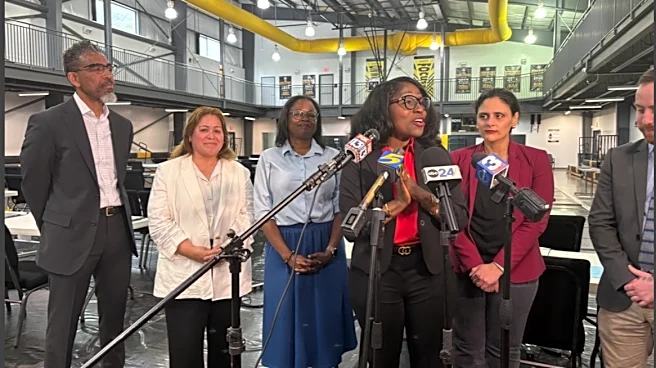
Four Democratic Tennessee state lawmakers have sent a letter to the Department of Children’s Services (DCS) requesting answers regarding safety and oversight within the state's juvenile justice facilities. This action follows an investigation by WPLN
and ProPublica, which revealed that juvenile justice facilities operated by Tennessee businessman Jason Crews, specifically Wayne Halfway House, allegedly failed to report multiple incidents of child abuse and other serious events to the state as required. Wayne Halfway House manages all three of Tennessee's highest-security youth prisons. The lawmakers' letter highlights concerns about physical and sexual abuse, dangerous restraints, injuries, and other critical incidents that reportedly went unreported. They are seeking an urgent, transparent, and independently verifiable response from the DCS concerning these allegations. The company, Wayne Halfway House, has stated it meets or exceeds state performance standards and vehemently denies discouraging staff from reporting incidents, calling former employees' allegations 'substantially flawed.'
Why It's Important?
This situation is important because it raises significant questions about the welfare and safety of children within Tennessee's juvenile justice system, particularly in privately run facilities. The allegations of unreported abuse and critical incidents, if true, indicate a potential systemic failure in oversight and accountability that could endanger vulnerable youth. The involvement of state lawmakers underscores the gravity of these concerns and signals a push for greater transparency and reform. The financial aspect is also critical, as lawmakers are questioning the state's substantial spending on juvenile justice, including over $400 million planned for new facilities, especially in light of the alleged lack of oversight. This spending, they argue, could otherwise be directed towards other social programs, such as expanding grocery benefits for school-aged children. The outcome of this inquiry could lead to significant changes in how juvenile justice facilities are regulated and funded in Tennessee, potentially impacting the lives of hundreds of young people.
What's Next?
The Democratic lawmakers are requesting specific answers from the Department of Children’s Services regarding the steps being taken to address the allegations, the amount of state funding allocated to Wayne Halfway House facilities, and the considerations for operators of new juvenile facilities. They have also requested a meeting with DCS leadership to discuss these issues, review the department's response, and identify necessary legislative and administrative actions to ensure child safety. The DCS has indicated it is investigating the incidents uncovered by the initial reporting but has not yet commented on the lawmakers' letter. This situation could lead to legislative efforts to introduce independent oversight for juvenile justice facilities, a measure that previously failed due to lobbying efforts. The ongoing scrutiny from lawmakers and the media will likely pressure the DCS to provide a comprehensive response and potentially implement reforms to enhance accountability and protection for youth in state custody.
Beyond the Headlines
Beyond the immediate concerns of abuse and oversight, this issue touches upon the broader ethical and policy debates surrounding the privatization of correctional facilities, particularly those housing minors. The allegations highlight the inherent challenges in ensuring adequate state oversight when private entities are responsible for the care and safety of vulnerable populations. The resistance to independent oversight, as previously noted by lawmakers, suggests a potential conflict of interest where profit motives might inadvertently compromise the well-being of detainees. This situation could reignite discussions about the appropriate balance between cost-efficiency and ethical responsibility in public services outsourced to private companies. Furthermore, the comparison of juvenile justice spending to other social programs, such as grocery benefits for children, brings to light the societal priorities reflected in state budgets and the long-term implications of these choices on community welfare and youth development.