





What's Happening?
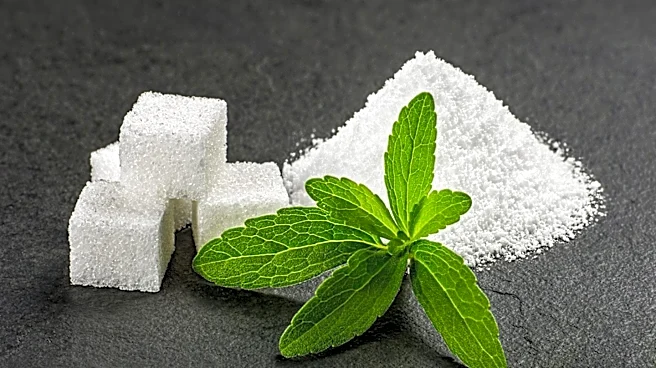
A recent study conducted by researchers at the University of Colorado, Boulder, has identified erythritol, a commonly used artificial sweetener, as a potential threat to the brain's protective blood-brain barrier. The study, published in the Journal of Applied
Physiology, found that erythritol can damage brain endothelial cells, which are crucial for maintaining the barrier's integrity. These cells, when exposed to erythritol, produced less nitric oxide, leading to constricted blood vessels, and more endothelin-1, a protein that further narrows blood vessels. Additionally, the study observed a reduction in the release of tissue plasminogen activator, a compound that helps dissolve blood clots, and an increase in free radicals, which can damage tissues. These findings suggest that erythritol could increase the risk of strokes by impairing the normal function of endothelial cells.
Why It's Important?
The implications of this study are significant for public health, as erythritol is widely used in food products due to its low-calorie content and minimal impact on insulin levels. The potential link between erythritol and increased stroke risk could lead to a reevaluation of its safety as a non-nutritive sweetener. If further research confirms these findings, it could prompt regulatory changes and influence consumer behavior, particularly among individuals at higher risk for cardiovascular events. The study also highlights the need for more comprehensive research into the long-term health effects of artificial sweeteners, which are often considered safe alternatives to sugar.
What's Next?
The researchers have called for additional clinical studies to explore the long-term health effects of erythritol consumption. These studies would need to assess whether the effects observed in lab-grown cells occur in living organisms and to what extent erythritol contributes to cardiovascular risks. The findings may also lead to increased scrutiny of other non-nutritive sweeteners and their potential health impacts. As the debate over artificial sweeteners continues, consumers and health professionals alike will be watching for further developments and guidance from health authorities.