








What's Happening?
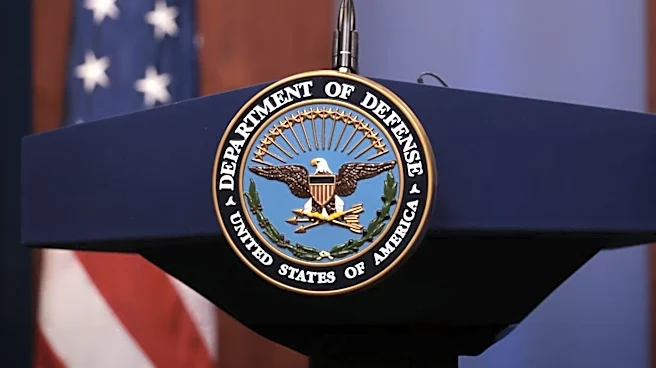
The Department of Defense (DOD) has opened registration for an industry day to discuss its plans for the recompete of a major contract vehicle for broad research-and-development services. The event, scheduled for October 30, will provide attendees with
an overview of the upcoming Next Gen IAC MAC competition. This new contract vehicle is set to succeed the current Information Analysis Center Multiple-Award Contract (IAC-MAC), which commenced in 2018 with a $48 billion ceiling. The Next Gen IAC MAC is projected to have a ceiling exceeding $80 billion. The DOD's Tuesday notice, which included registration instructions, stated that attendees will have the opportunity to provide feedback on the department's acquisition approach and ask questions. The future contract aims to create a 'competitive R&D ecosystem' involving government agencies, companies, academic institutions, laboratories, and non-traditional entities. The DOD first announced its plans for the follow-on to IAC-MAC in spring 2025, soliciting industry input on the contract's structure, including whether it should feature two award pools or a single pool, contrasting with the current three-pool structure for different business types.
Why It's Important?
The potential $80 billion Next Gen IAC MAC contract represents a significant opportunity for U.S. technology and research firms, academic institutions, and other entities involved in defense R&D. This substantial investment underscores the DOD's commitment to advancing military technology and maintaining a competitive edge. For businesses, particularly those in the defense contracting sector, securing a position on this vehicle could ensure long-term revenue streams and foster innovation. The contract's structure, whether it includes multiple pools for small businesses and non-profits, will be crucial for ensuring equitable access and fostering a diverse R&D ecosystem. The increased ceiling from $48 billion to over $80 billion reflects the growing demand for advanced research and development services within the defense sector, driven by evolving geopolitical landscapes and technological advancements. This initiative is vital for national security, as it directly supports the development of cutting-edge military capabilities and strengthens the U.S. defense industrial base.
What's Next?
The immediate next step is the industry day on October 30, where the DOD will provide an overview of the Next Gen IAC MAC competition. Interested parties must RSVP and register by October 26. This event will be crucial for potential bidders to understand the DOD's vision, requirements, and proposed structure for the contract. Following the industry day, the DOD will likely refine its acquisition strategy based on the feedback received. The department will then proceed with the formal solicitation process, inviting proposals from eligible entities. The competition is expected to be intense, given the contract's substantial value and strategic importance. The current IAC-MAC is scheduled to sunset in April 2028, meaning the new contract vehicle will need to be in place and operational by then. Companies like HII, Booz Allen Hamilton, KBR, and CACI International, which have been major recipients under the current contract, will likely be key contenders for the Next Gen IAC MAC.
Beyond the Headlines
The Next Gen IAC MAC contract signifies more than just a large government spending initiative; it reflects a strategic shift in how the DOD approaches technological innovation and collaboration. By fostering a 'competitive R&D ecosystem' that includes academic institutions and non-traditional entities, the DOD aims to tap into a broader spectrum of expertise and accelerate the adoption of emerging technologies. This approach could democratize access to defense contracts, allowing smaller, innovative firms and research institutions to contribute to national security. However, it also presents challenges in managing a diverse contractor base, ensuring intellectual property rights, and maintaining security protocols across a wider network of partners. The emphasis on R&D suggests a long-term vision for defense capabilities, moving beyond off-the-shelf solutions to invest in foundational research that could yield transformative technologies. This initiative could also influence the direction of private sector R&D, as companies align their research efforts with the DOD's strategic priorities to secure future contracts.