



What's Happening?
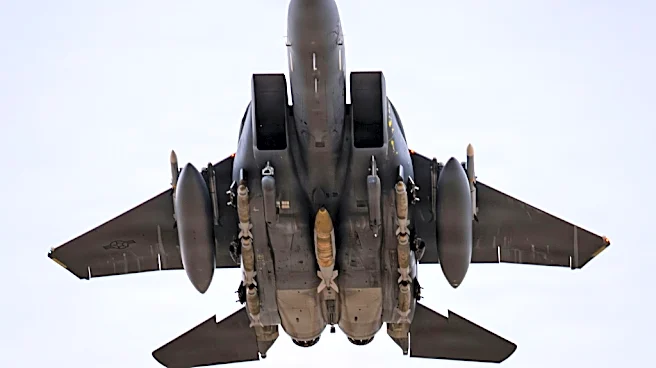
The United States, under the leadership of President Trump, is facing accusations of committing potential war crimes by targeting civilian infrastructure in Iran. Legal experts and international law scholars have raised concerns following President Trump's
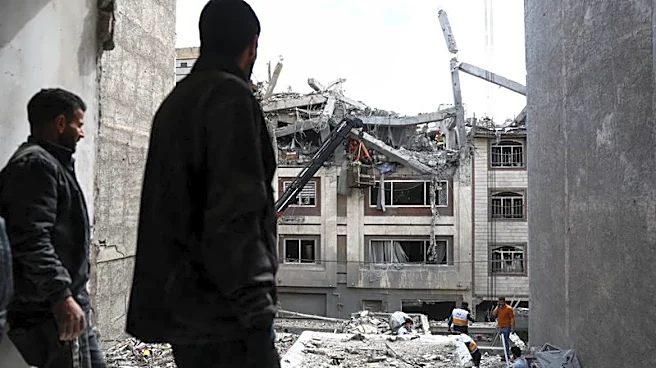
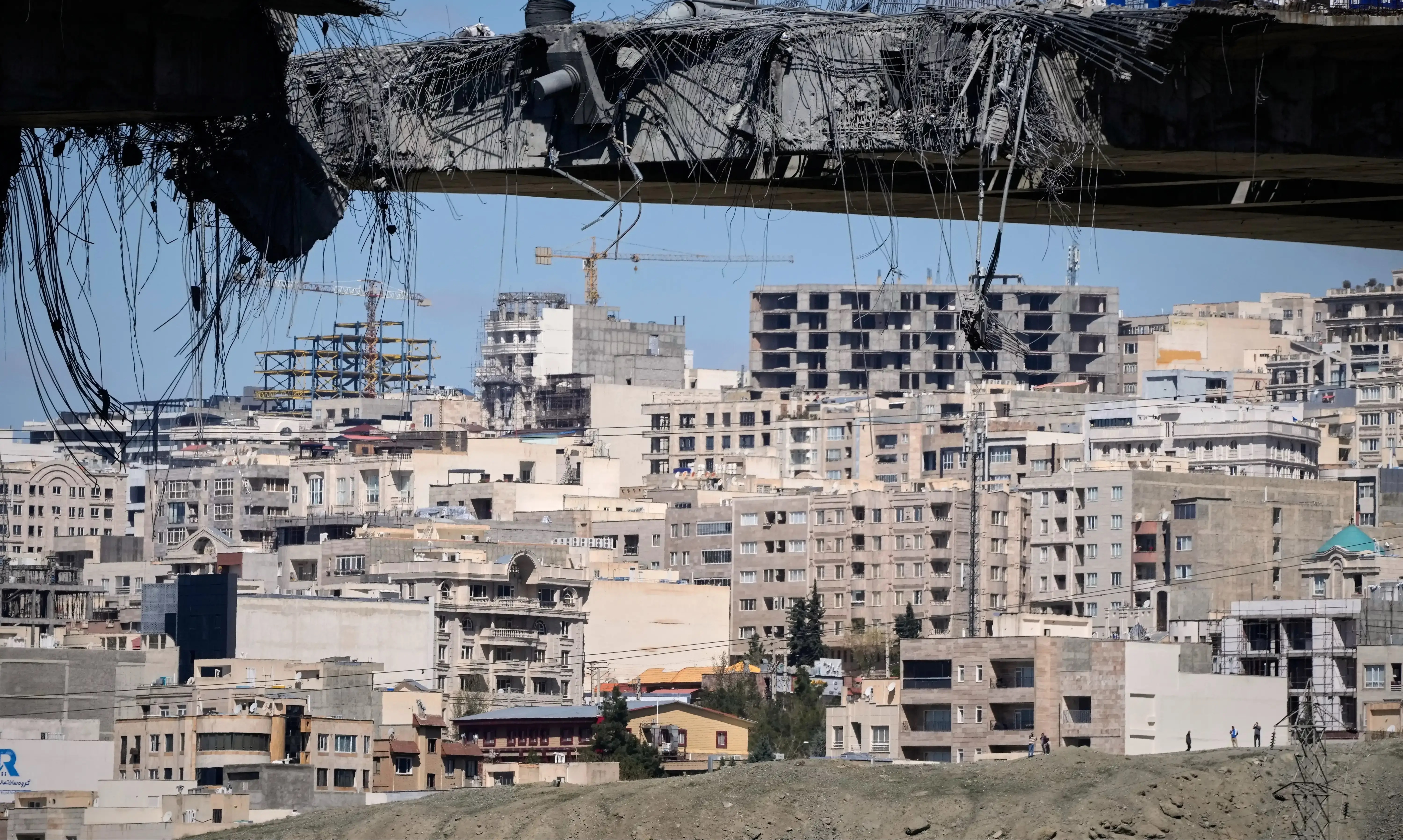
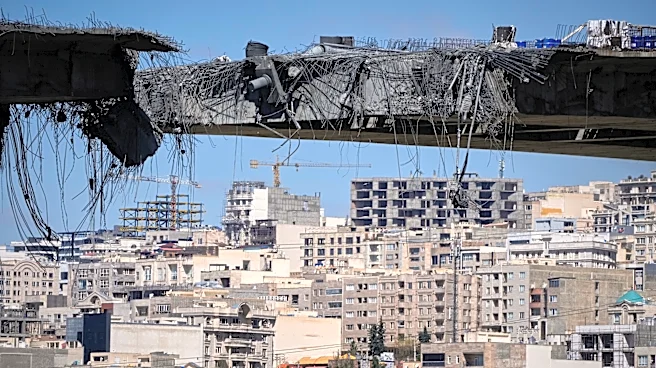
threats to attack Iranian power plants, which are considered civilian objects under international humanitarian law. These actions have been criticized as potentially unlawful, as they could cause disproportionate harm to civilians. Amnesty International and over 100 U.S. experts in international law have expressed serious concerns about these strikes, which have reportedly hit schools, health facilities, and homes, resulting in significant civilian casualties.
Why It's Important?
The implications of these actions are significant, as they challenge the principles of international humanitarian law, which protect civilian infrastructure from being targeted in conflicts. The potential classification of these attacks as war crimes could have severe diplomatic and legal repercussions for the United States. It raises questions about the adherence to international norms and the potential for increased tensions in the Middle East. The targeting of essential services like power plants could lead to humanitarian crises, affecting millions of civilians by disrupting access to electricity, water, and healthcare. This situation underscores the importance of maintaining the distinction between military and civilian targets in warfare.
What's Next?
The international community may respond with increased scrutiny and potential legal actions against the U.S. if these actions are deemed to violate international law. There could be calls for accountability and adherence to international humanitarian standards. The situation may also prompt discussions within the U.S. government and military about the rules of engagement and the ethical implications of targeting civilian infrastructure. Diplomatic efforts may be necessary to address the fallout and prevent further escalation of the conflict.
Beyond the Headlines
This development highlights the ongoing debate about the legality and morality of military strategies that impact civilian populations. It raises ethical questions about the conduct of war and the responsibilities of nations to protect non-combatants. The situation also reflects broader geopolitical dynamics, as actions in the Middle East can have ripple effects on global security and international relations. The potential for war crimes charges could influence future U.S. military policies and its standing in the international community.