



What's Happening?
Hong Kong media mogul Jimmy Lai has been convicted of colluding with foreign forces under the national security law imposed by Beijing. This verdict is seen as a significant step in China's efforts to reshape Hong Kong's history and suppress its pro-democracy
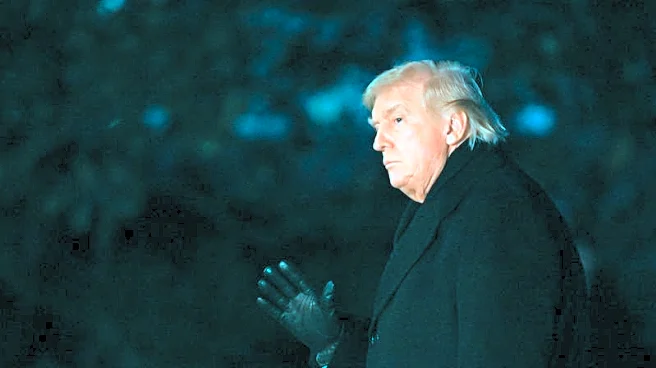
movement. Lai, a prominent figure in the movement and a critic of the Chinese Communist Party, was arrested in 2020 and has been in detention since. The court's decision is based on Lai's alleged connections with foreign entities, including mentions of President Trump and former Vice President Mike Pence. The ruling has drawn international condemnation, with calls for Lai's release from global leaders, including President Trump.
Why It's Important?
The conviction of Jimmy Lai underscores the increasing control Beijing exerts over Hong Kong, challenging the city's autonomy and its once-vibrant pro-democracy movement. This case highlights the broader implications for freedom of expression and the rule of law in Hong Kong, as the national security law is used to silence dissent. The international community's response reflects concerns over human rights and the erosion of democratic principles in the region. The outcome of this case could set a precedent for how dissent is handled in Hong Kong, affecting both local and international stakeholders invested in the city's governance and freedoms.
What's Next?
Jimmy Lai is expected to be sentenced next month, with analysts predicting a life sentence. The international community, including the European Union and the United States, may increase diplomatic pressure on China to address human rights concerns. Meanwhile, Beijing and Hong Kong authorities are likely to continue their narrative of foreign interference, potentially leading to further crackdowns on pro-democracy activists. The case may also influence future legal proceedings in Hong Kong, as the national security law continues to be a tool for political suppression.