




What's Happening?
The Washington Metropolitan Area Transit Authority (WMATA) has opened a new pop-up merchandise store called 'Metro U,' catering to back-to-school shopping. The store, located at 300 7th St., SW, will operate from August 18 to September 4. This event follows
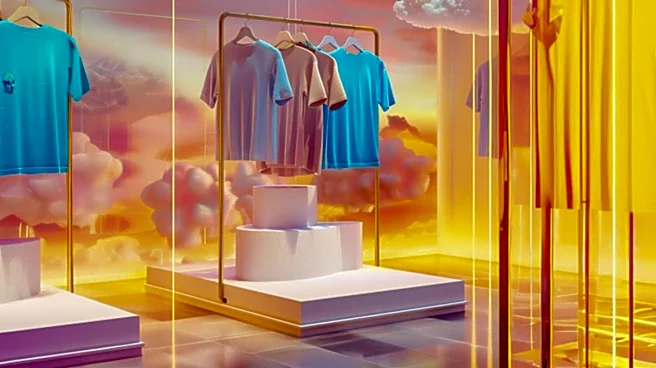
the success of a previous anniversary pop-up, which saw the largest turnout among the nine such events WMATA has hosted. The 'Metro U' store offers a range of school-themed items, including letterman jackets, notebooks, writing utensils, sports balls, computer covers, and AirPods cases. Additionally, brown and cream-colored Metro U t-shirts and sweat-sets are available. For collectors, stickers, magnets, key chains, and trading cards are also part of the offerings, with WMATA planning a trading meet-up later in the year. Some popular items from the anniversary pop-up, such as pullovers, hats, totes, t-shirts, and Metro-dot accessories, have been restocked for this event. The store experienced significant interest on its opening day, with a line forming down the block.
Why It's Important?
This initiative by WMATA is important as it demonstrates a creative approach to community engagement and revenue generation for a public transit agency. By offering branded merchandise, WMATA is fostering a sense of local pride and connection among its ridership, particularly students, as highlighted by the popularity of the Red Line merchandise among American University students. The success of these pop-up stores, with the anniversary event drawing the largest turnout, indicates a strong demand for WMATA-branded products. This strategy can contribute to diversifying the agency's income streams beyond fares and public funding, potentially supporting operational costs or service improvements. Furthermore, the planned online store expansion for popular items in September suggests a long-term vision for this merchandising effort, aiming to reach a broader audience and sustain interest beyond temporary physical locations. The engagement of customers like La’Niyah Coleman, who attends multiple pop-ups and expresses appreciation for public transportation, underscores the positive impact of such initiatives on public perception and loyalty.
What's Next?
Following the conclusion of the 'Metro U' pop-up store on September 4, WMATA plans to add some of its most popular merchandise items to its online store in September. This move will make the products more accessible to a wider audience beyond the physical pop-up location. Additionally, WMATA intends to organize a trading meet-up later in the year for collectors of their trading cards, further engaging their customer base. Another pop-up event is scheduled to run from the Saturday after Thanksgiving until the Saturday before Christmas, indicating a continued strategy of seasonal merchandise sales. These future plans suggest WMATA is committed to expanding its merchandising efforts, potentially leading to a more robust online presence and recurring in-person events to capitalize on consumer interest and generate additional revenue.
Beyond the Headlines
The success of WMATA's merchandise pop-up stores, particularly the 'Metro U' initiative, reflects a broader trend of public institutions leveraging branding and consumer products to build community identity and financial support. This approach moves beyond traditional public service models by tapping into cultural and lifestyle aspects of urban living. The enthusiasm for Metro-branded items, especially among younger demographics like university students, suggests that public transit can become a symbol of local pride and convenience, rather than just a utility. This can lead to increased public goodwill and advocacy for public transportation, which is crucial for securing funding and support for future infrastructure projects and service enhancements. The integration of collectible items like trading cards and planned meet-ups also creates a sense of community and engagement, transforming passive riders into active brand enthusiasts. This strategy could serve as a model for other public agencies looking to strengthen their connection with the public and explore innovative revenue streams.