






What's Happening?
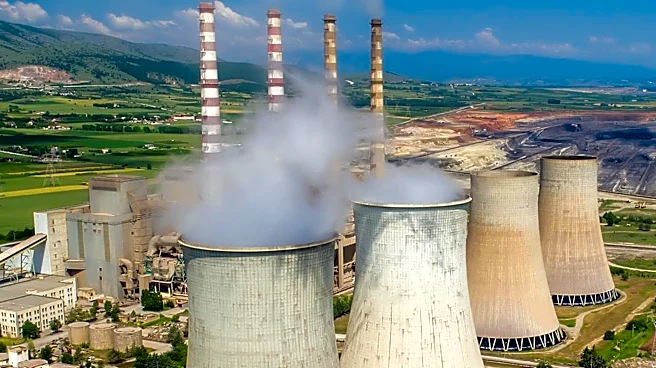
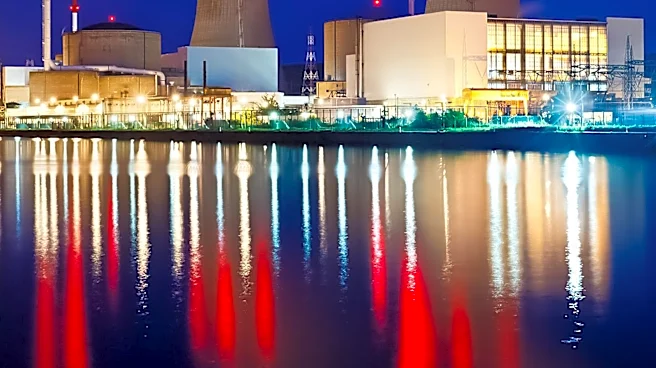
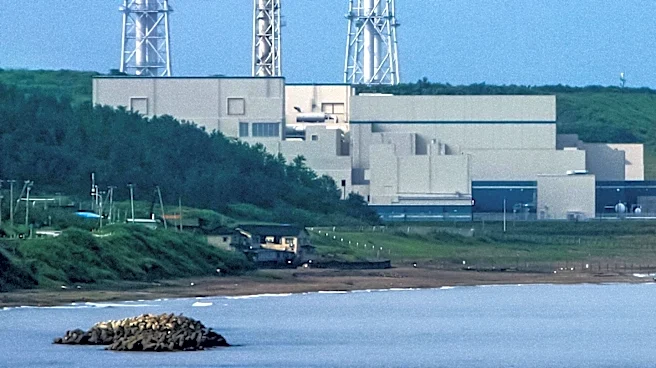
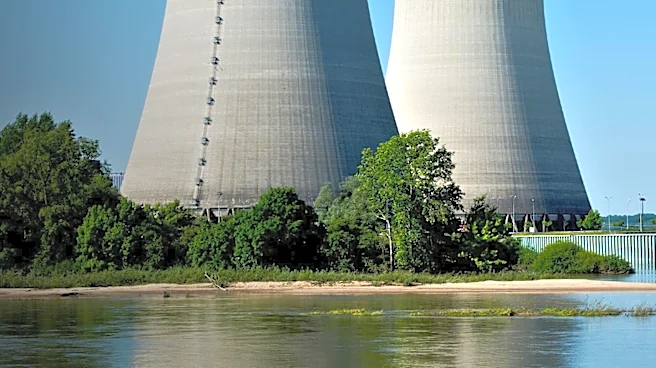
Hungary has decided to shut down its sole nuclear power plant, Paks, for the first time in its 44-year history due to record-low water levels in the Danube River. The plant, which provides over 40% of Hungary's electricity, relies on the Danube for cooling
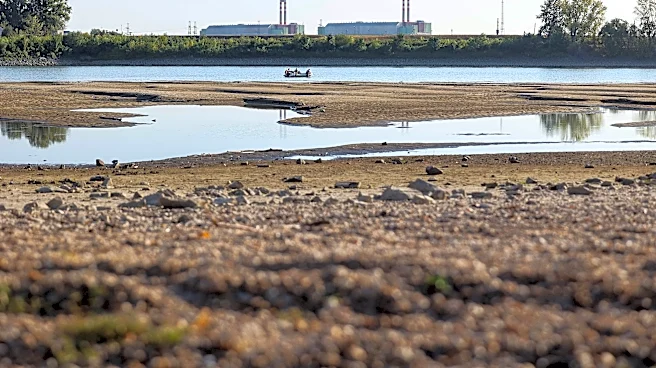
its reactors. The decision was announced by Prime Minister Peter Magyar, who highlighted the critical situation as the country faces a potential power crunch. The Danube's water levels have fallen to unprecedented lows following months of below-average rainfall and successive heat waves. The Hungarian government is seeking voluntary power cuts from large users and has warned that the plant could remain offline for weeks.
Why It's Important?
The shutdown of the Paks nuclear power plant poses a significant challenge to Hungary's energy supply, potentially leading to increased electricity prices and power shortages. The situation underscores the vulnerability of energy infrastructure to climate-induced changes, such as prolonged droughts and heat waves. This development could have broader implications for energy policy and the need for diversification of energy sources. Large power users in Hungary may face mandatory consumption cuts, and the government is considering further restrictions. The economic impact could be substantial, with increased costs for imported electricity and potential disruptions to industries reliant on stable power supply.
What's Next?
Hungary's government is closely monitoring the situation and may impose mandatory electricity restrictions on large companies if voluntary cuts prove insufficient. The ongoing heatwave and lack of significant rainfall in the forecast suggest that the Danube's water levels may continue to drop, exacerbating the energy crisis. Neighboring countries like Serbia are also experiencing reduced energy production from hydroelectric plants due to low water levels, indicating a regional challenge. The Hungarian government will need to explore alternative energy sources and strategies to mitigate the impact of such environmental challenges in the future.