





What's Happening?
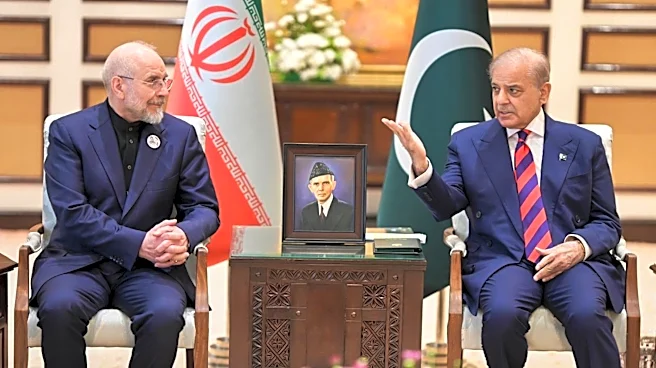
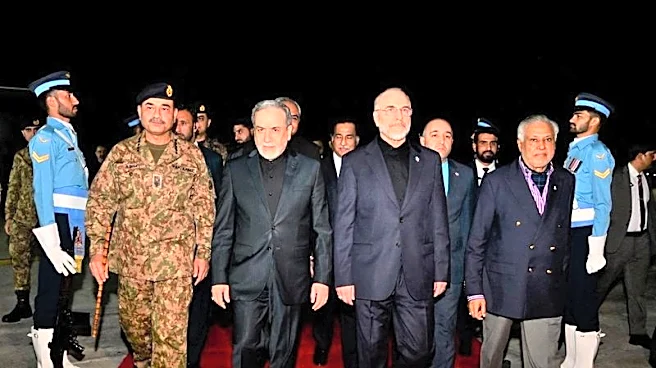
Negotiations between the United States and Iran are ongoing in Islamabad, with significant disagreements over key issues such as the Strait of Hormuz and a fragile ceasefire. Iranian state television has described the upcoming round of talks as potentially
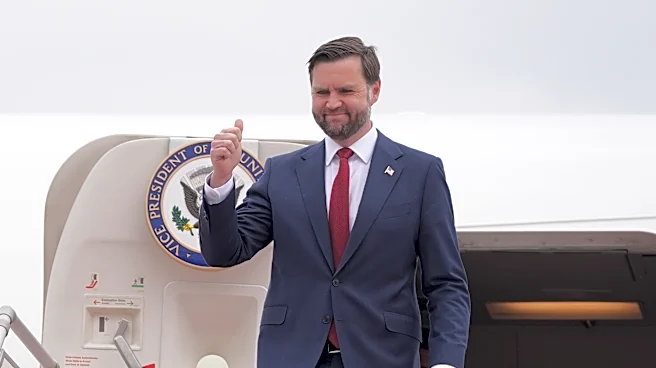
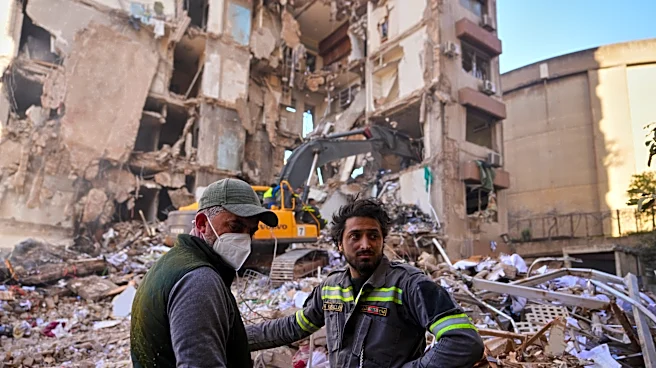
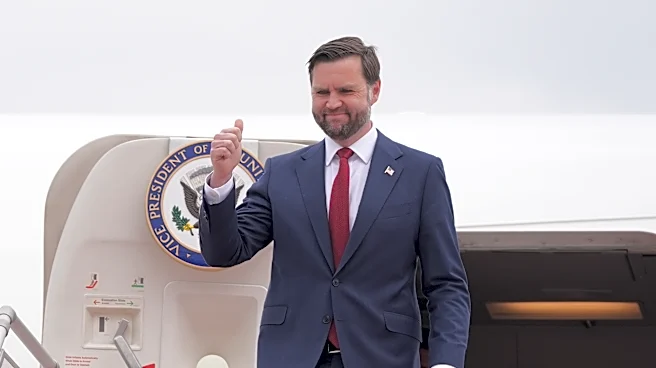
decisive. The discussions, led by U.S. Vice President JD Vance and Iranian Parliament Speaker Mohammad Bagher Qalibaf, mark the highest-level engagement since the 1979 Islamic Revolution. Iran accuses the U.S. of making excessive demands, particularly regarding the reopening of the Strait of Hormuz. The talks also face challenges over the inclusion of Lebanon in any agreement, with Iran insisting on a full ceasefire in Lebanon.
Why It's Important?
The outcome of these negotiations could have significant implications for regional stability and global energy markets. The Strait of Hormuz is a critical waterway for oil transportation, and its closure has disrupted global energy supplies, driving up oil prices. A successful agreement could lead to the reopening of the strait and ease tensions in the region. However, failure to reach a consensus may result in renewed conflict, affecting international relations and economic stability. The talks are crucial for both countries, as they seek to balance strategic interests with diplomatic resolutions.
What's Next?
If the negotiations collapse, Israel and the United States are preparing for potential military action, with plans to target infrastructure and energy facilities. The U.S. military is also establishing conditions for a mine-clearing operation in the Strait of Hormuz. Meanwhile, diplomatic efforts may continue, with both sides seeking to find common ground on contentious issues. The international community will closely monitor the situation, as any escalation could have far-reaching consequences.