

What's Happening?
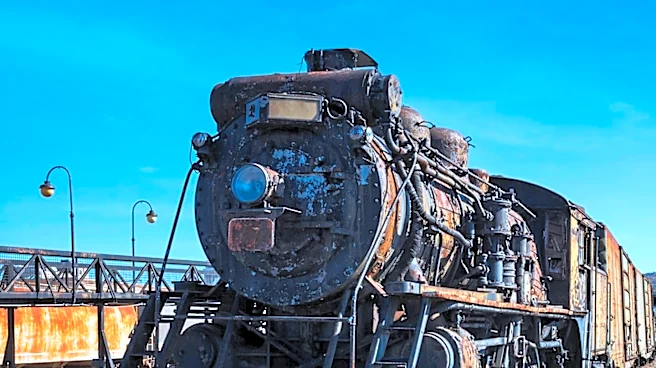
Recent reports highlight ongoing safety issues in the U.S. railroad industry, exacerbated by deteriorating equipment and insufficient maintenance. Following the prevention of a national railroad strike by President Biden and Congress in 2022, workers
have been forced to accept contracts that do not address critical safety concerns. These issues include missing components on rail cars, such as springs and draft gear, leading to dangerous conditions. A catastrophic derailment in East Palestine, Ohio, in 2023 underscored the severe consequences of these systemic problems. Despite the attention brought to these issues, improvements in safety protocols and equipment maintenance remain inadequate.
Why It's Important?
The safety of the U.S. railroad system is crucial for the economy and public safety. The ongoing neglect of maintenance and safety protocols poses significant risks to communities near rail lines and the broader supply chain. The failure to address these issues could lead to more accidents, endangering lives and causing economic disruptions. The situation highlights the tension between corporate profit motives and the need for robust safety standards, raising questions about regulatory oversight and the prioritization of worker and public safety.
What's Next?
The railroad industry may face increased scrutiny from regulators and the public as safety concerns persist. Potential actions could include legislative efforts to enforce stricter safety standards and increased investment in infrastructure maintenance. Stakeholders, including labor unions and safety advocates, are likely to continue pushing for reforms to ensure the safety and reliability of the rail system. The outcome of these efforts will significantly impact the industry's future operations and public trust.