








What's Happening?
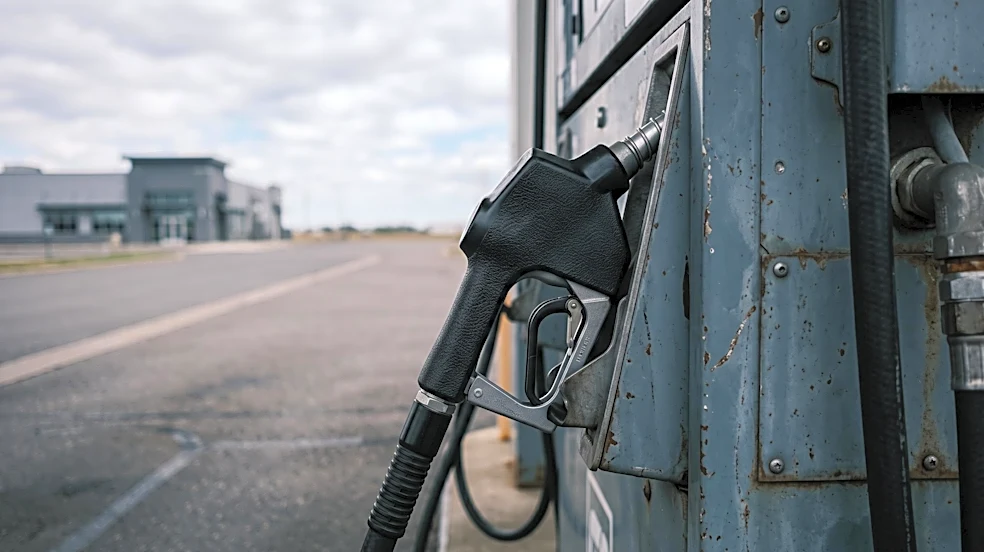
Gas stations across the Omaha metropolitan area are experiencing fuel shortages, with some running low or completely out of gasoline. Drivers have reported empty pumps at various locations, including Sam's Club and Casey's. The Cornhusker Quick Stop in Bellevue
also announced it was entirely out of fuel. In response to these widespread reports, Nebraska Governor Jim Pillen has signed an executive order aimed at addressing the fuel supply demands. The Nebraska Petroleum Marketers and Convenience Store Association attributes the tightening of fuel supplies to annual refinery maintenance, the switch from summer to winter fuel grades, and the high demand during harvest season. While these factors typically contribute to seasonal tightness, a spokesperson for the association noted that the current situation appears to be worse than usual, though the exact reasons are still being investigated. AAA Nebraska is also working to understand the full scope of the issue.
Why It's Important?
The fuel shortages in Omaha and other parts of Nebraska carry significant implications for local residents, businesses, and the agricultural sector. For consumers, the inability to access fuel can disrupt daily commutes, essential travel, and overall quality of life. Businesses reliant on transportation, such as delivery services and logistics companies, face operational challenges and potential delays, which could lead to increased costs or service interruptions. The agricultural sector, currently in its critical harvest season, is particularly vulnerable. Farmers depend heavily on diesel fuel for their machinery, and any disruption in supply can impede harvesting efforts, potentially leading to crop losses or delays that impact market supply and farmer incomes. Governor Pillen's executive order highlights the state's recognition of the economic and logistical importance of maintaining a stable fuel supply, especially during peak demand periods like harvest.
What's Next?
Governor Pillen's executive order, effective through November 18, is designed to alleviate immediate fuel supply pressures. This order builds upon a federal waiver issued by the Federal Motor Carrier Safety Commission on September 16, which relaxed out-of-service requirements for interstate fuel truck drivers. The state order aims to further facilitate the transportation of fuel within Nebraska. Stakeholders, including the Nebraska Petroleum Marketers and Convenience Store Association, are actively working with suppliers to restore full availability as quickly as possible. They are also urging the public to avoid 'panic buying,' as such behavior can exacerbate the problem. The situation will likely require continued monitoring by state officials and industry groups to ensure that the measures taken are effective and that fuel supplies stabilize across the affected regions. Further actions could include additional regulatory adjustments or coordination with federal agencies if the shortages persist or worsen.
Beyond the Headlines
The current fuel shortages in Nebraska underscore the delicate balance and interconnectedness of the national energy supply chain. While seasonal factors like refinery turnarounds and harvest demand are recurring, the amplified severity this year suggests potential underlying vulnerabilities or compounding factors. This situation could prompt a deeper examination of regional fuel distribution networks, storage capacities, and contingency plans for unexpected demand surges or supply disruptions. It also highlights the critical role of government intervention, through executive orders and regulatory waivers, in mitigating immediate crises and ensuring essential services. Long-term, this event might encourage discussions about diversifying fuel transportation methods, enhancing supply chain resilience, and potentially investing in local or regional energy infrastructure to reduce reliance on distant refineries and pipelines, thereby safeguarding against similar future occurrences and their broader economic impacts.