






What's Happening?
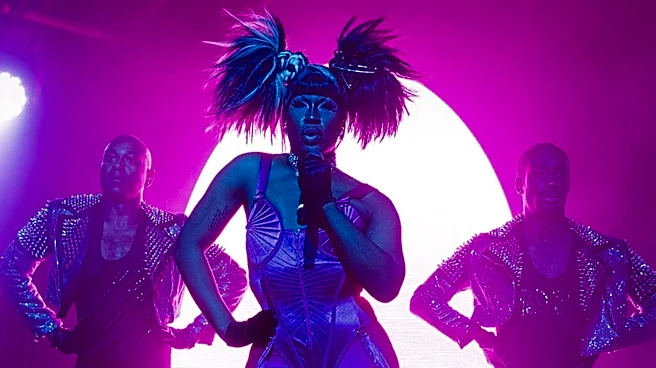
U.S. Senator Roger Marshall and Kansas Senate President Ty Masterson are facing criticism for their public opposition to drag performances, particularly drag story hours. The Kansas Reflector highlights that both politicians, who present themselves as conservative
Republicans, have expressed strong disapproval of drag queens. This stance is exemplified by Masterson's social media post targeting state Senator Cindy Holscher, the Democratic nominee for governor, for allegedly mocking Jesus Christ to defend drag shows for children. The article notes that Masterson's criticism of Holscher stems from a 2023 social media comment and was amplified by conservative news outlets. Despite Masterson's public opposition, he previously allowed a bill that would expand the crime of promoting obscenity to minors to include drag performances to die in committee, suggesting a potential shift in his public posture during campaign season.
Why It's Important?
This issue is important as it reflects a broader cultural and political battle unfolding in the U.S., particularly concerning LGBTQ+ rights and freedom of expression. The targeting of drag performances by prominent political figures in Kansas can be seen as an attempt to mobilize conservative voters and demonize the LGBTQ+ community, potentially influencing election outcomes. The article suggests that such actions exploit fear and aim to turn Kansans against their gay friends and neighbors. This political rhetoric can have real-world consequences, contributing to a hostile environment for LGBTQ+ individuals and potentially leading to discriminatory legislation. The debate also touches upon the role of public officials in regulating artistic expression and the interpretation of obscenity laws, raising questions about constitutional rights and civil liberties.
What's Next?
As the November elections approach, the issue of drag performances and LGBTQ+ rights is likely to remain a contentious topic in Kansas politics. Senator Marshall and Senate President Masterson may continue to use this issue to appeal to their conservative base, potentially introducing or supporting legislation aimed at restricting drag performances or other LGBTQ+-related activities. Conversely, Democratic candidates like Cindy Holscher and LGBTQ+ advocacy groups will likely push back against these efforts, emphasizing freedom of expression and inclusivity. The debate could also lead to increased public discourse and protests from both sides. Legal challenges to any restrictive legislation are also a strong possibility, as such measures often raise First Amendment concerns. The outcome of these political and legal battles in Kansas could set precedents for other states grappling with similar cultural conflicts.
Beyond the Headlines
The controversy surrounding drag performances in Kansas delves into deeper societal anxieties about gender, sexuality, and traditional values. The article suggests that the 'comical fixation' on drag queens by some politicians masks a broader 'panic about gay people,' indicating a resistance to the increasing visibility and acceptance of LGBTQ+ individuals in society. This cultural clash highlights the ongoing struggle between progressive social movements and conservative efforts to maintain traditional norms. The use of terms like 'culture war toxic waste' to describe legislative efforts against drag performances underscores the highly polarized nature of this debate. Ultimately, this situation reflects a fundamental tension in American society regarding diversity, tolerance, and the evolving definition of community, with implications for social cohesion and individual freedoms.