
What's Happening?
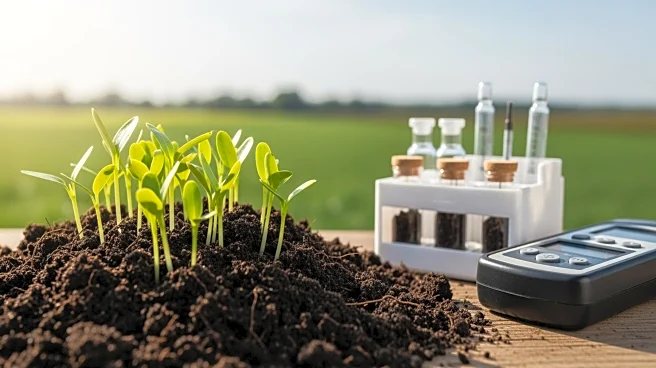
A collaborative effort between farmer Jeff Sandborn and Michigan State University researchers is demonstrating the benefits of integrating science and technology into agriculture. Over a decade, they have
implemented regenerative agriculture practices, utilizing drones and remote sensing to assess soil conditions. This approach allows for targeted fertilizer application, reducing waste and costs, while less productive land is managed for conservation. The result is increased crop yields, improved soil health, and reduced environmental impact, showcasing the potential of precision agriculture to support sustainable farming.
Why It's Important?
The success of research-driven farming practices highlights the potential for technology to transform agriculture, making it more sustainable and efficient. By optimizing resource use and minimizing environmental impact, these methods can help address challenges such as soil degradation and climate change. The approach also demonstrates the value of data-driven decision-making in agriculture, which can lead to more resilient and productive farming systems. As the agricultural sector faces increasing pressure to produce more with less, such innovations are crucial for ensuring food security and environmental sustainability.
What's Next?
The positive outcomes of this collaboration may encourage wider adoption of precision agriculture technologies among farmers. This could lead to increased investment in research and development, as well as the expansion of educational programs to equip farmers with the necessary skills. Policymakers may also consider supporting initiatives that promote sustainable farming practices, recognizing their role in achieving environmental and economic goals. As more farmers adopt these methods, there could be significant advancements in agricultural productivity and sustainability.
Beyond the Headlines
The integration of technology in farming raises questions about the future of traditional agricultural practices and the role of small-scale farmers. While technology offers numerous benefits, it may also create barriers for those without access to resources or technical expertise. Addressing these disparities will be important to ensure that the benefits of precision agriculture are widely shared. Additionally, the reliance on technology introduces new challenges, such as data privacy and cybersecurity, which will need to be managed as the sector evolves.