



What's Happening?
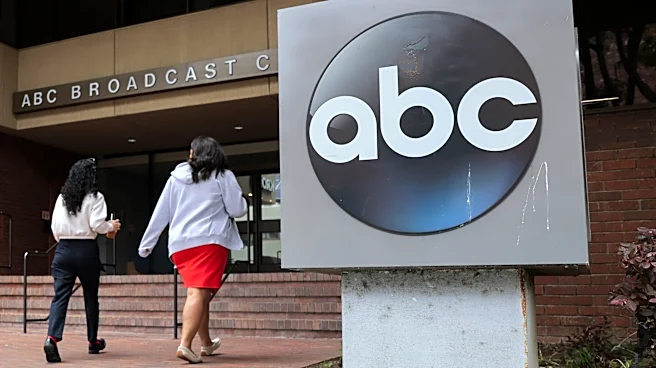
Disney, ABC, and its eight affiliate stations have collectively filed a federal lawsuit against the Federal Communications Commission (FCC) in the U.S. District Court for the District of Columbia. The lawsuit alleges that the FCC is violating the broadcaster's
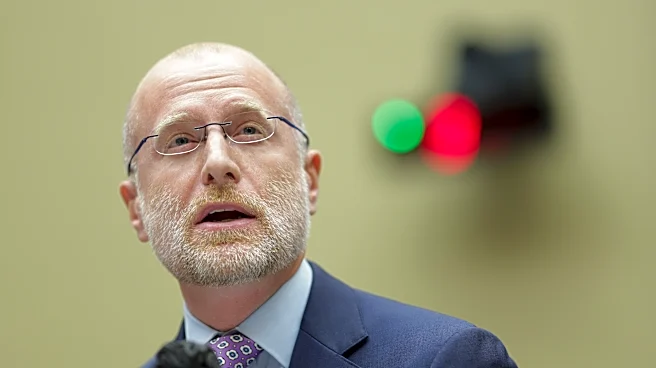
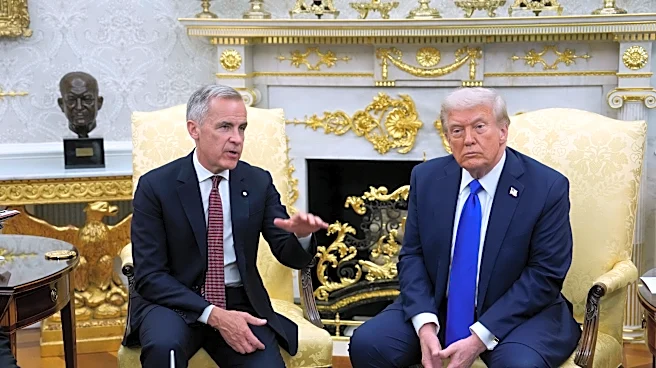
First Amendment rights through a retaliatory campaign against ABC's political coverage. The complaint details a pattern of public statements from President Trump and FCC Chair Brendan Carr over the past two years, criticizing ABC's political reporting and threatening to revoke its operating licenses. Specifically, the lawsuit points to Carr's request in April for Disney to submit early renewal applications for ABC's regional affiliates, despite their contracts being valid until 2028 or later. This request, framed as part of an investigation into Disney's diversity, equity, and inclusion policies, followed renewed criticism of ABC's political coverage by President Trump. Disney asserts it had no choice but to take legal action against what it describes as an 'existential threat' to its press freedoms.
Why It's Important?
This lawsuit represents a significant challenge to the Trump administration's actions concerning media regulation and press freedom, with broad implications for the U.S. media landscape. If the administration's actions are upheld, it could establish a precedent where media companies face government coercion for unfavorable coverage, potentially chilling free speech and independent journalism. The lawsuit highlights concerns that the FCC, an independent regulatory body, is being used as a tool for political retaliation, undermining its intended role. For Disney and ABC, the stakes are high, as the revocation of broadcast licenses would severely impact their operations and financial stability. Beyond these immediate concerns, the case could redefine the boundaries of government oversight on media content and the extent to which political leaders can influence broadcast licensing. The outcome will be closely watched by other news organizations, as Disney's legal team warns that a successful government campaign against ABC could signal that other media outlets are also vulnerable to similar pressures, especially those without Disney's extensive resources.
What's Next?
The U.S. District Court for the District of Columbia will now review Disney's lawsuit, which requests a halt to the FCC's ongoing regulatory actions against ABC. The legal proceedings are expected to involve extensive arguments from both sides regarding First Amendment rights, the FCC's regulatory authority, and the evidence of alleged political retaliation. The court's decision could either affirm the FCC's actions, potentially emboldening further government scrutiny of media content, or side with Disney, setting a strong precedent for protecting press freedom from perceived political interference. Regardless of the initial ruling, appeals to higher courts, including potentially the Supreme Court, are likely given the constitutional implications and the high-profile nature of the parties involved. This legal battle could span several years, with each stage drawing significant attention from legal experts, media watchdogs, and the public, as it will shape the future relationship between the government and the press in the United States.
Beyond the Headlines
This lawsuit delves into the deeper ethical and democratic implications of government-media relations. The core issue is whether a government can use its regulatory power to punish media outlets for critical coverage, thereby undermining the foundational principle of a free press in a democratic society. The lawsuit's assertion that the administration's actions aim to send an 'unmistakable' message to media companies—to 'tell only the stories the Administration deems favorable'—highlights a potential shift towards a more controlled media environment. This situation also brings to light the vulnerability of media organizations, particularly those reliant on broadcast licenses, to political pressure. The case could force a re-evaluation of the FCC's independence and its role in safeguarding, rather than suppressing, diverse journalistic voices. The outcome will not only affect Disney and ABC but could also influence public trust in media institutions and the government's commitment to constitutional freedoms, potentially triggering broader societal discussions about censorship, media bias, and the health of American democracy.