





What's Happening?
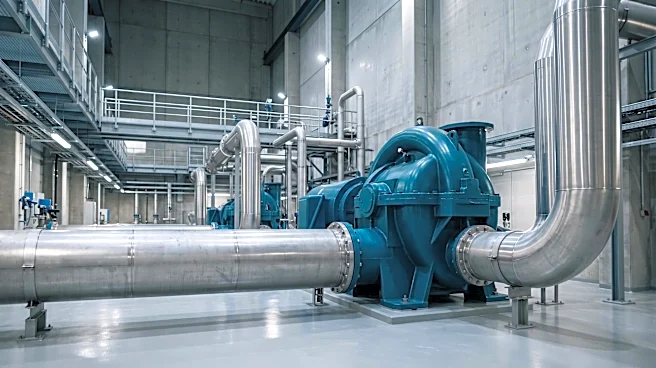
U.S. Representative Joe Courtney, a Democrat representing Connecticut’s 2nd District, participated in the ribbon-cutting ceremony for the new South Hartford Tunnel Pump Station. This event took place despite the project being outside his direct district.
Representative Courtney emphasized his presence was due to his representation of communities downstream of the Connecticut River, which are affected by contaminants originating upriver. The Metropolitan District (MDC) stated that the pump station is a crucial component of a multi-billion dollar initiative aimed at enhancing public health and environmental quality. The system is designed to combat combined sewer overflows, which occur when stormwater mixes with the sewer system during heavy rainfall, leading to overflows into the Connecticut River, basements, and streets. Emma Cimino, acting commissioner of the Connecticut Department of Energy and Environmental Protection, highlighted that the system will help address sewer backups in areas like North Hartford, which have historically faced sewage and flooding issues. The $138 million pump station was funded approximately half by DEEP grants and half by low-interest state loans.
Why It's Important?
This development is significant for environmental protection and public health in Connecticut and beyond. The new pump station directly addresses the long-standing problem of combined sewer overflows, which have historically polluted the Connecticut River and Long Island Sound. By preventing untreated wastewater from entering these waterways, the project safeguards aquatic ecosystems and improves water quality for recreational activities and marine life. Furthermore, the reduction of sewer backups in residential areas, particularly in North Hartford, has a direct positive impact on public health by mitigating exposure to raw sewage and preventing property damage. Representative Courtney's involvement, despite the project being outside his immediate district, underscores the interconnectedness of environmental issues across geographical boundaries and highlights the broader regional benefits of such infrastructure investments, extending even to neighboring New York.
What's Next?
The South Hartford Tunnel Pump Station is now operational, and its impact on reducing combined sewer overflows will be monitored. The Metropolitan District (MDC) will continue its multi-billion dollar project to improve public health and environmental quality, with this pump station being a key part of that larger effort. Future steps will likely involve ongoing maintenance and evaluation of the system's effectiveness in preventing pollution and sewer backups. The success of this project could serve as a model for other regions facing similar challenges with aging infrastructure and environmental concerns. Continued collaboration between federal, state, and local entities will be essential to ensure the long-term sustainability and effectiveness of these environmental initiatives.
Beyond the Headlines
The project highlights a broader national challenge: the need for significant investment in aging urban infrastructure, particularly wastewater management systems. Many older U.S. cities operate with combined sewer systems that are overwhelmed during heavy rainfall, leading to environmental degradation and public health risks. The funding model for the South Hartford Tunnel Pump Station, combining state grants and low-interest loans, demonstrates a potential pathway for other municipalities to finance such critical upgrades. This initiative also underscores the growing recognition of the interconnectedness of environmental health and economic well-being, as improved water quality can boost tourism, fishing industries, and overall quality of life. The involvement of a U.S. Representative from a downstream district also illustrates the increasing importance of regional cooperation in addressing environmental issues that transcend local administrative boundaries.