






What's Happening?
Palantir Technologies, a major U.S. tech company, has sparked debate by advocating for universal national service, suggesting a shift from an all-volunteer military force. This proposal comes as the Selective Service System moves towards automatic registration
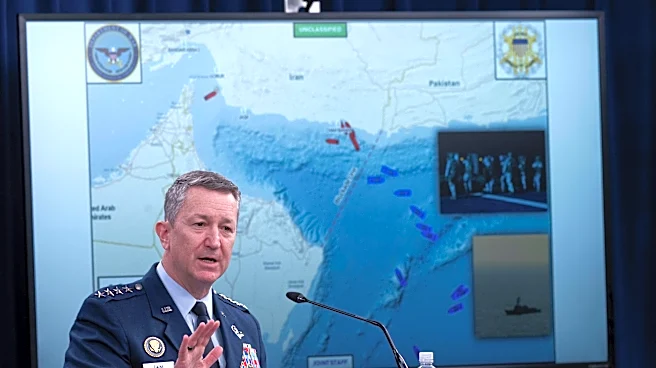
of draft-eligible men, following authorization in the fiscal 2026 National Defense Authorization Act. Palantir's stance, shared in a post on X, has drawn criticism and discussion about the role of private defense-tech firms in influencing national policy. The company, known for its data-analytics platforms used by U.S. defense agencies, argues that national service should be a universal duty, especially in light of ongoing military commitments and manpower needs exacerbated by the Iran conflict.
Why It's Important?
The call for universal national service by Palantir Technologies highlights significant implications for U.S. military policy and civic engagement. If adopted, such a system could address manpower shortages and enhance civic participation, but it also raises concerns about personal freedom and the complexity of military recruitment. The debate underscores the influence of private tech firms in shaping public policy, particularly in defense and national security sectors. Critics argue that compulsory service could lead to authoritarian practices, while supporters see it as a means to distribute the risks and costs of military engagements more equitably across society.
What's Next?
Currently, there is no indication from the federal government or Congress of imminent legislation to implement universal national service. The automatic registration of draft-eligible men is set to proceed, aiming to improve compliance with existing laws. The discussion initiated by Palantir may prompt further debate among policymakers, advocacy groups, and the public about the future of military service and civic duty in the U.S. The ongoing Iran conflict and its demands on U.S. military resources could influence these discussions.
Beyond the Headlines
The proposal for universal national service raises ethical and cultural questions about the balance between individual rights and collective responsibilities. It challenges traditional views on military service and civic duty, potentially leading to long-term shifts in how Americans perceive their role in national defense. The involvement of tech companies like Palantir in these discussions also highlights the growing intersection of technology and public policy, particularly in areas related to national security and defense.