
What's Happening?
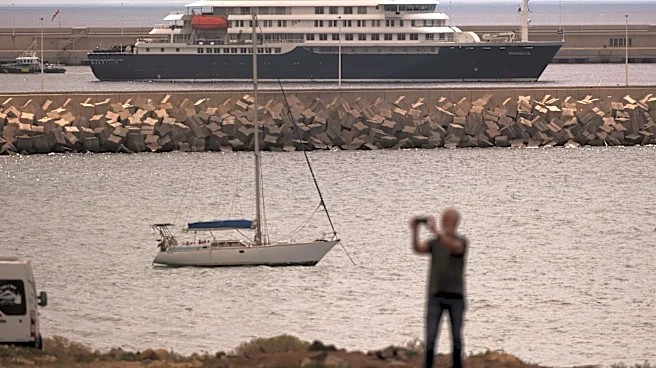
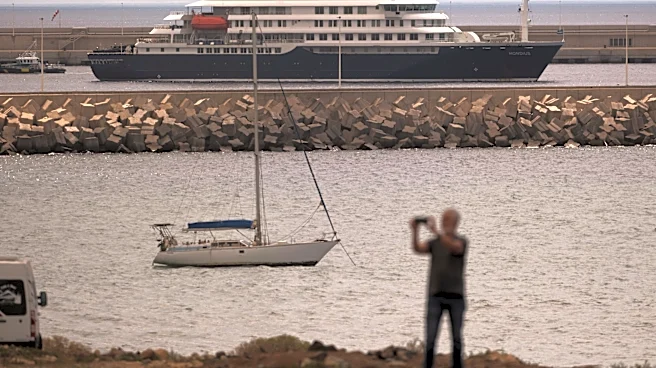
The World Health Organization (WHO) announced that the hantavirus outbreak case count on the cruise ship MV Hondius has been reduced from 11 to 10 after a previously reported U.S. case was found to be a false
positive. The U.S. case involved Dr. Stephen Kornfeld, an American doctor aboard the ship, who initially tested 'mildly positive' for hantavirus. However, further testing revealed negative results, confirming he was not infected. The outbreak, which began on the cruise ship in the South Atlantic, has resulted in three deaths. The WHO has completed the operation to safely evacuate the ship's passengers, transferring them to their home countries or quarantine facilities.
Why It's Important?
The reduction in the number of hantavirus cases is significant as it alleviates concerns about the spread of the virus, particularly in the U.S. The false positive case highlights the challenges in accurately diagnosing viral infections, which can impact public health responses and resource allocation. The outbreak's management, including the evacuation and quarantine of passengers, underscores the importance of international cooperation in handling infectious disease outbreaks. The situation also emphasizes the need for robust testing protocols to prevent false positives that can lead to unnecessary panic and resource expenditure.
What's Next?
With the false positive case resolved, health authorities will continue to monitor the remaining cases and ensure that all affected individuals receive appropriate care. The WHO and national health agencies will likely review the testing procedures to prevent similar occurrences in the future. The focus will remain on ensuring that the virus does not spread further, particularly as passengers return to their home countries. Continued vigilance and adherence to quarantine measures will be crucial in preventing additional cases.