



What's Happening?
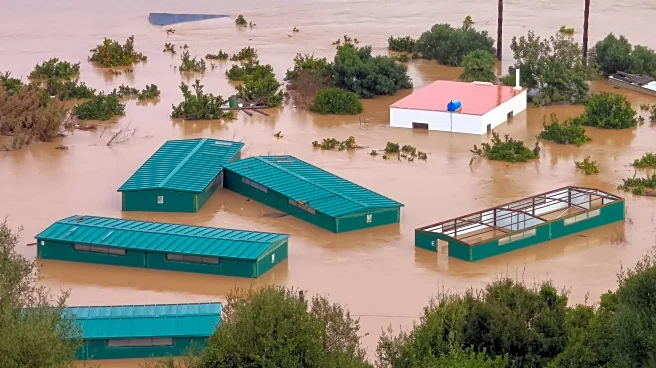
A recent collapse of a mine tailings structure at the Panasqueira mining complex in Covilhã, Portugal, has raised concerns about the potential contamination of Lisbon's drinking water. The incident, which occurred after several days of intense rainfall,
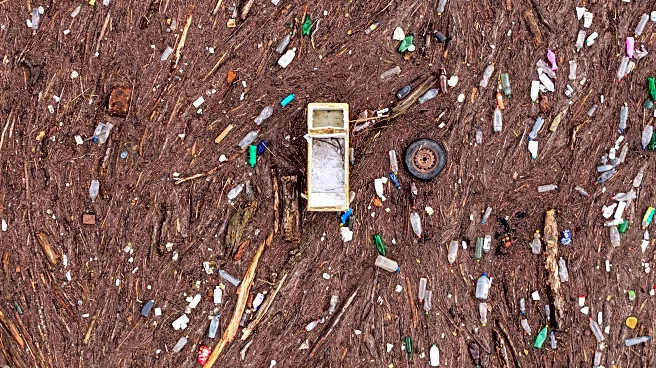
resulted in large volumes of mining waste being released into the Cebola stream, a tributary of the Zêzere River. This river is a crucial source of water for the Castelo de Bode reservoir, which supplies drinking water to the Lisbon metropolitan area. The Empresa Portuguesa das Águas Livres (EPAL), responsible for Lisbon's water supply, has initiated water sampling operations to assess the impact on water quality. This is the third known failure of the tailings facility, highlighting the vulnerability of aging mine waste structures in the region.
Why It's Important?
The repeated failures of the Panasqueira mine tailings facility pose significant environmental and public health risks. The potential contamination of Lisbon's drinking water could have severe consequences for the city's residents and the surrounding ecosystem. The presence of heavy metals, such as arsenic, in the water could lead to long-term health issues and environmental degradation. The incident underscores the need for improved management and remediation of mining waste facilities to prevent future collapses and protect vital water resources. The situation also raises questions about the effectiveness of current regulatory frameworks and the accountability of mining companies in managing environmental risks.
What's Next?
Moving forward, there is a pressing need for a comprehensive remediation program to stabilize the tailings facilities and prevent further environmental damage. Authorities and environmental groups are likely to push for stricter regulations and oversight of mining operations to ensure compliance with safety standards. The mining company, Beralt Tin and Wolfram Portugal, may face increased scrutiny and pressure to address the ongoing issues. Additionally, affected landowners are demanding compensation for environmental damage and economic losses, which could lead to legal actions against the company. The incident may also prompt a broader discussion on sustainable mining practices and the protection of public water resources.
Beyond the Headlines
The collapse of the mine tailings facility highlights broader issues related to mining governance and environmental justice. The persistent environmental damage and risks to public health reflect a gap between international mining standards and their implementation on the ground. The situation raises ethical questions about the responsibility of mining companies and regulatory bodies in safeguarding natural resources and protecting communities from industrial pollution. The incident could serve as a catalyst for policy reforms and increased public awareness about the environmental impacts of mining activities.