

What's Happening?
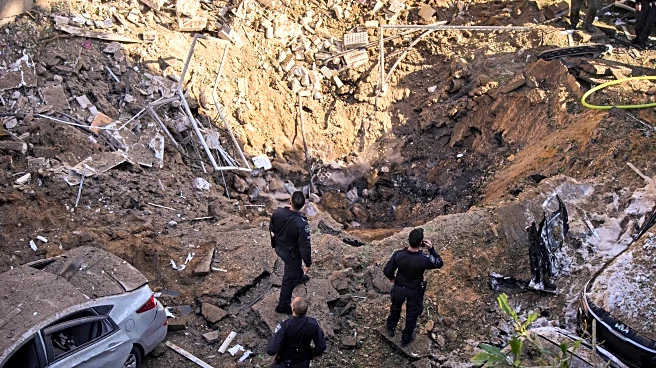
The United States and Israel have temporarily removed two senior Iranian officials, Iranian parliament speaker Mohammad Bagher Ghalibaf and Foreign Minister Abbas Araghchi, from their target list. This decision is part of a diplomatic effort to explore
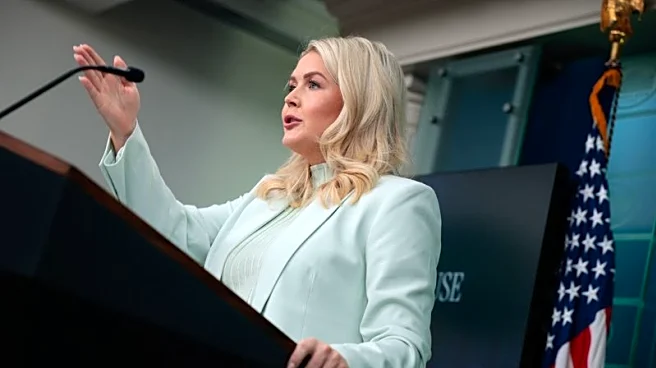
potential negotiations aimed at ending ongoing hostilities. Mediators from Turkey, Pakistan, and Egypt are facilitating talks between U.S. and Iranian officials, although the likelihood of a breakthrough remains low due to significant differences between the parties. The White House has issued a warning to Iran, indicating that the U.S. will escalate its military actions if Tehran does not agree to cease the conflict.
Why It's Important?
This development is significant as it represents a potential shift towards diplomacy in a region marked by prolonged conflict. The temporary removal of Iranian officials from the target list could open a window for dialogue, which might lead to de-escalation and a reduction in military tensions. For the U.S. and its allies, successful negotiations could stabilize the region and reduce the need for military interventions. However, the challenges in bridging the gaps between the U.S. and Iran highlight the complexities of achieving a lasting resolution.
What's Next?
The next steps involve continued diplomatic efforts to bring the U.S. and Iran to the negotiating table. The involvement of mediators from Turkey, Pakistan, and Egypt suggests a multilateral approach to resolving the conflict. The outcome of these efforts will depend on the willingness of both sides to compromise and address key issues. The U.S. has made it clear that military escalation is an option if diplomacy fails, underscoring the urgency of finding a peaceful solution.