








What's Happening?
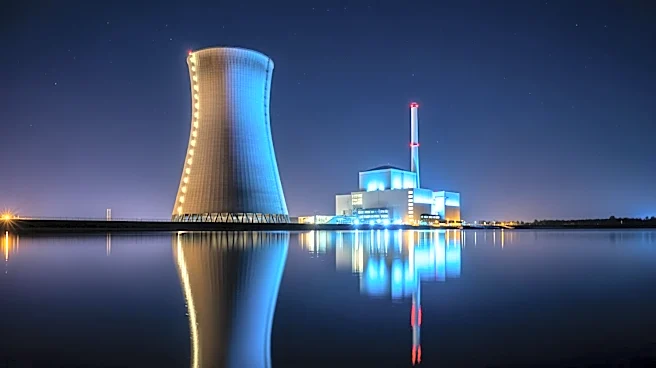
Prof. Bismark Tyobeka, principal and vice-chancellor of North-West University, discusses the strategic importance of extending the operational life of nuclear power plants in South Africa. The Koeberg Nuclear Power Station has received a long-term operating
license extension, allowing it to continue supplying power for another two decades. This move aligns with global trends where countries like the United States, France, and Canada are extending the life of their nuclear reactors to ensure stable energy production. The extension is seen as a strategic asset that supports economic activities and infrastructure development.
Why It's Important?
The extension of nuclear power plant operations is crucial for South Africa's energy security and economic stability. Reliable electricity is essential for manufacturing, mining, digital infrastructure, and urban development. By extending the life of nuclear plants, South Africa can maintain a stable energy supply, which is vital for supporting AI-driven data centers and the agricultural sector. This strategy also positions South Africa alongside other nations that are investing in nuclear energy as a long-term solution to meet growing energy demands and reduce reliance on fossil fuels.
Beyond the Headlines
The decision to extend nuclear power plant operations raises important ethical and environmental considerations. While nuclear energy provides a stable and low-carbon power source, concerns about nuclear waste management and the potential risks of nuclear accidents remain. The extension of nuclear plant operations also reflects broader global energy trends, where countries are balancing the need for reliable energy with environmental sustainability. As South Africa navigates its energy future, it will need to address these challenges and explore complementary renewable energy sources to ensure a sustainable and secure energy landscape.