






What's Happening?
The Line 5 pipeline, operated by Enbridge Energy, is at the center of a significant environmental and legal debate in Michigan. The pipeline, which transports tar sands oil from Canada through the Great Lakes, has been controversial due to its crossing
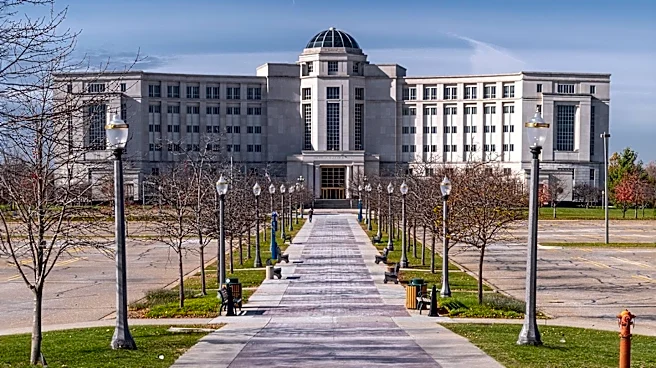
beneath the Straits of Mackinac and its potential environmental risks. Recently, the Michigan Supreme Court halted the Great Lakes tunnel project intended to house the pipeline, citing the need for broader environmental impact considerations. This decision has delayed the project, pushing it beyond the current gubernatorial term. Tribal nations have also been actively involved, asserting their sovereignty and treaty rights in ongoing legal challenges.
Why It's Important?
The Line 5 pipeline issue underscores the complex interplay between energy infrastructure, environmental protection, and indigenous rights. The Michigan Supreme Court's decision highlights the increasing legal scrutiny on projects with significant environmental impacts. This case could set important precedents for future infrastructure projects, emphasizing the need for comprehensive environmental assessments. The involvement of tribal nations brings attention to the importance of respecting indigenous sovereignty and treaty rights, which could influence broader policy discussions on energy and environmental justice.
What's Next?
The future of the Line 5 pipeline remains uncertain, with multiple permits still required for the tunnel project. Legal battles are expected to continue, particularly concerning tribal sovereignty and environmental protection. Stakeholders, including state officials, Enbridge, and tribal nations, will likely engage in further negotiations and legal proceedings. The outcome of these discussions could have significant implications for energy policy and environmental regulation in Michigan and beyond.
Beyond the Headlines
The Line 5 controversy highlights broader issues of climate change and the transition to sustainable energy sources. As public awareness of environmental risks grows, there may be increased pressure on policymakers to prioritize renewable energy solutions. This case also reflects the challenges of balancing economic interests with environmental and cultural preservation, a theme that is likely to resonate in future infrastructure debates.