






What's Happening?
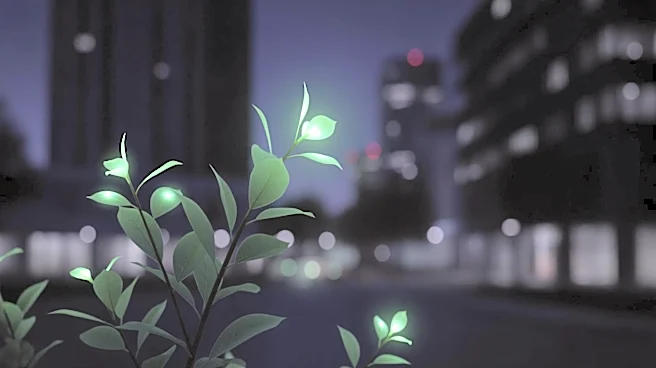
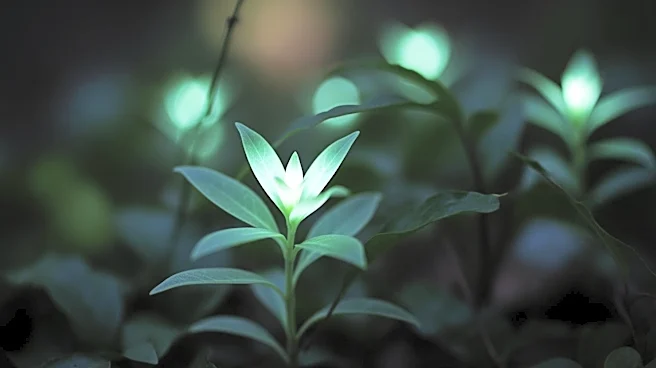
A Chinese biotechnology company has successfully engineered over twenty species of plants to emit a natural glow in the dark without the need for electricity. This innovation involves splicing light-producing genes from fireflies and luminous fungi into
plant cells, allowing them to glow continuously. The development was showcased at the Zhongguancun Forum in Beijing, highlighting its potential applications in cultural tourism and urban lighting. The project, led by Dr. Li Renhan of Magicpen Bio, aims to create large-scale installations of glowing plants in natural settings to attract visitors. The technology also promises energy savings and reduced emissions by eliminating the need for electrical infrastructure in public green spaces.
Why It's Important?
The introduction of bioluminescent plants could revolutionize urban lighting and tourism by providing an eco-friendly alternative to traditional lighting systems. This innovation could significantly reduce energy consumption and emissions, aligning with global sustainability goals. The potential for these plants to enhance cultural tourism by creating unique nighttime experiences could also boost local economies. Furthermore, the underlying gene-editing technology has broader applications in agriculture and medical research, indicating a wide range of future benefits.
What's Next?
The next steps involve assessing the commercial viability of using bioluminescent plants in urban and tourism settings. Researchers will need to address practical challenges such as the brightness and longevity of the glow, as well as any environmental risks. If successful, this technology could lead to widespread adoption in cities worldwide, transforming how public spaces are illuminated and experienced at night.
Beyond the Headlines
Beyond their immediate applications, bioluminescent plants raise ethical and environmental questions about genetic modification and its impact on ecosystems. The long-term effects of introducing genetically modified organisms into natural environments remain uncertain, necessitating careful study and regulation. Additionally, the cultural implications of altering natural landscapes with glowing plants could spark debates about the balance between innovation and preservation.