



What's Happening?
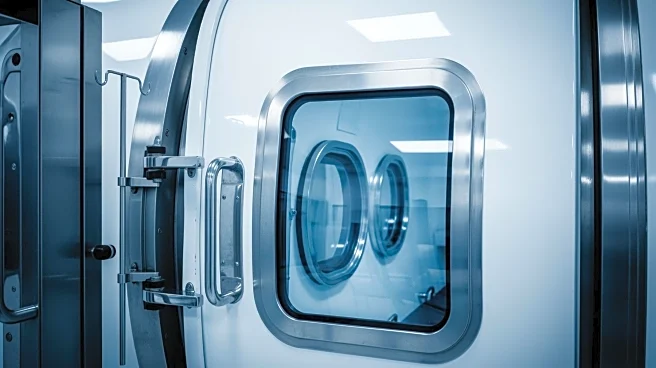
In response to a tragic incident involving the death of a 5-year-old boy, Thomas Cooper, in a hyperbaric chamber explosion at the Oxford Center in Troy, Michigan, state lawmakers have introduced new legislation aimed at enhancing safety standards for hyperbaric chambers.
The incident, which occurred last year, has prompted two legislators in Lansing to collaborate on crafting bills that would establish stricter regulations and oversight for the use of hyperbaric chambers. These chambers, often used for medical treatments, have come under scrutiny following the accident, highlighting the need for improved safety protocols to prevent similar tragedies in the future.
Why It's Important?
The introduction of these bills is significant as it addresses a critical gap in safety regulations for hyperbaric chambers, which are used in various medical treatments, including wound healing and decompression sickness. The proposed legislation aims to protect patients and operators by ensuring that these devices meet stringent safety standards. This move could have broader implications for the medical industry, potentially setting a precedent for other states to follow suit in regulating medical equipment more rigorously. The legislation also underscores the importance of legislative action in response to public safety concerns, demonstrating a commitment to preventing future incidents and safeguarding public health.
What's Next?
As the proposed bills move through the legislative process, they will likely undergo scrutiny and debate among lawmakers, industry stakeholders, and public health advocates. Key considerations will include the specific safety standards to be implemented, the oversight mechanisms to ensure compliance, and the potential impact on medical facilities that utilize hyperbaric chambers. If passed, the legislation could lead to increased inspections and certifications for hyperbaric chamber operators, as well as mandatory training programs for staff. The outcome of this legislative effort will be closely watched by other states and medical professionals, potentially influencing national standards for hyperbaric chamber safety.