



What's Happening?
A growing crisis in pollination is threatening the stability of global food production, particularly for high-value crops like avocados, almonds, and blueberries. The reliance on honeybees for pollination has increased, but this approach is proving insufficient
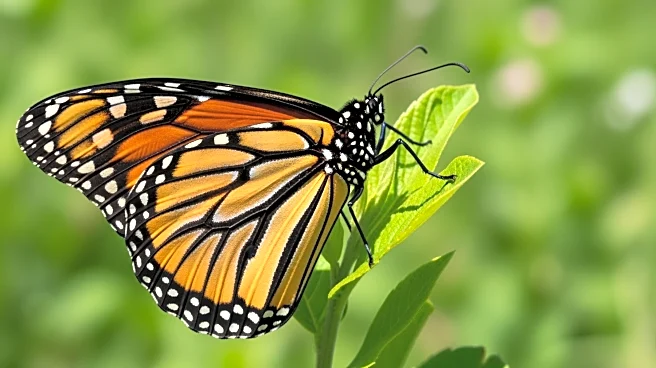
as natural pollinators decline. The decline is attributed to habitat loss, pesticide use, and climate change, which are reducing the diversity and effectiveness of pollination. This has led to lower yields and greater instability in agricultural production, as honeybees alone cannot fulfill the specialized roles of wild pollinators.
Why It's Important?
Pollination is a critical component of food production, directly affecting crop yields and quality. The decline in natural pollinators poses a significant risk to food security, as it could lead to increased food prices and reduced availability of certain crops. The reliance on a single species for pollination is unsustainable and highlights the need for a more diverse and resilient approach. Addressing this issue is essential for maintaining stable food supplies and supporting agricultural economies worldwide.
Beyond the Headlines
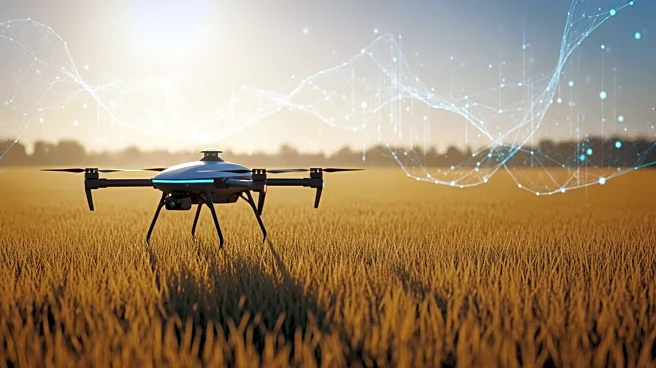
The solution lies in a partnership between nature and technology. By mimicking the natural pollination processes, modern agriculture can enhance pollination efficiency without harming existing ecosystems. This biomimetic approach can stabilize yields and ensure the continued availability of essential crops. Emphasizing biodiversity and integrating technological innovations can mitigate the risks associated with pollinator decline and support long-term agricultural sustainability.