







What's Happening?
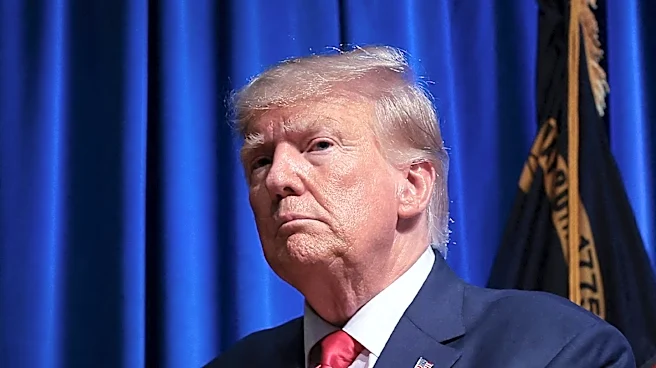
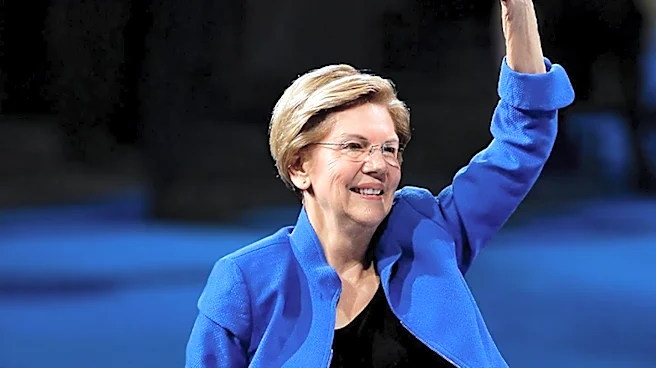
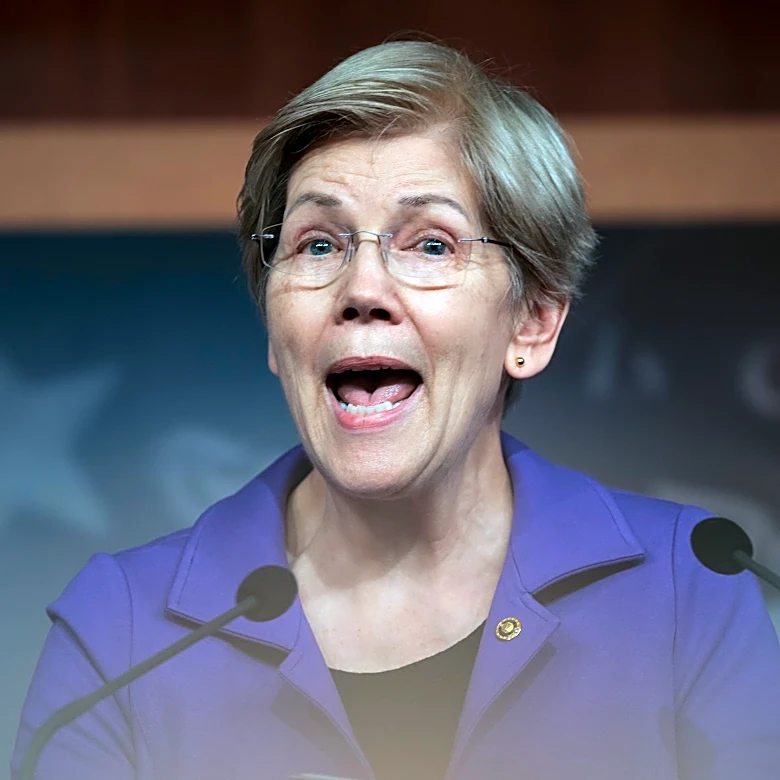
U.S. Senator Elizabeth Warren has proposed a ban on cryptocurrency earnings for high-ranking officials, including the president and their families, following the release of President Trump's financial disclosure. The document revealed that Trump earned
over $1.4 billion from digital assets in 2025, with significant income linked to the crypto project World Liberty Financial. Warren's proposal aims to include this ban in the CLARITY Act, which is currently under discussion in the Senate. The proposal is part of a broader effort to address ethical concerns and prevent potential conflicts of interest in the crypto industry.
Why It's Important?
The proposal by Senator Warren highlights the ongoing debate over the ethical implications of political figures profiting from emerging industries like cryptocurrency. The significant earnings disclosed by President Trump raise questions about transparency and accountability in government. Warren's push for a ban reflects a growing concern about the influence of digital assets on political and financial systems. The outcome of this legislative effort could have far-reaching implications for how cryptocurrency is regulated and perceived in the U.S., potentially impacting the industry's growth and integration into mainstream financial markets.
What's Next?
The CLARITY Act's progress in the Senate will be closely watched, as it could set new standards for ethical conduct and financial transparency among government officials. The debate over the proposed ban may influence future regulatory frameworks for the cryptocurrency industry, shaping how digital assets are managed and traded. The response from the White House and other political figures will be critical in determining the proposal's viability and potential impact. As discussions continue, stakeholders in the crypto industry and political sphere will be assessing the implications for their interests and operations.